
IBM opens a model for time-series forecasting
Granite PatchTST-FM-r2 can be tested on your own data. Alongside a single forecast, it provides a distribution of possible outcomes.
IBM Research / Hugging FaceRead story
NEUDYNE / SIGNAL
Important developments in AI, human biology and emerging technology. We follow original sources and explain what the findings mean — including their limits, without the hype.
How we use sources
Granite PatchTST-FM-r2 can be tested on your own data. Alongside a single forecast, it provides a distribution of possible outcomes.
A safe assistant is defined not only by its answers, but also by what it is allowed to touch.

The interesting prospect is not another chatbot, but continuing an unfinished task without explaining everything again.
A flowing conversation may be useful. It does not, by itself, mean the request was understood correctly.
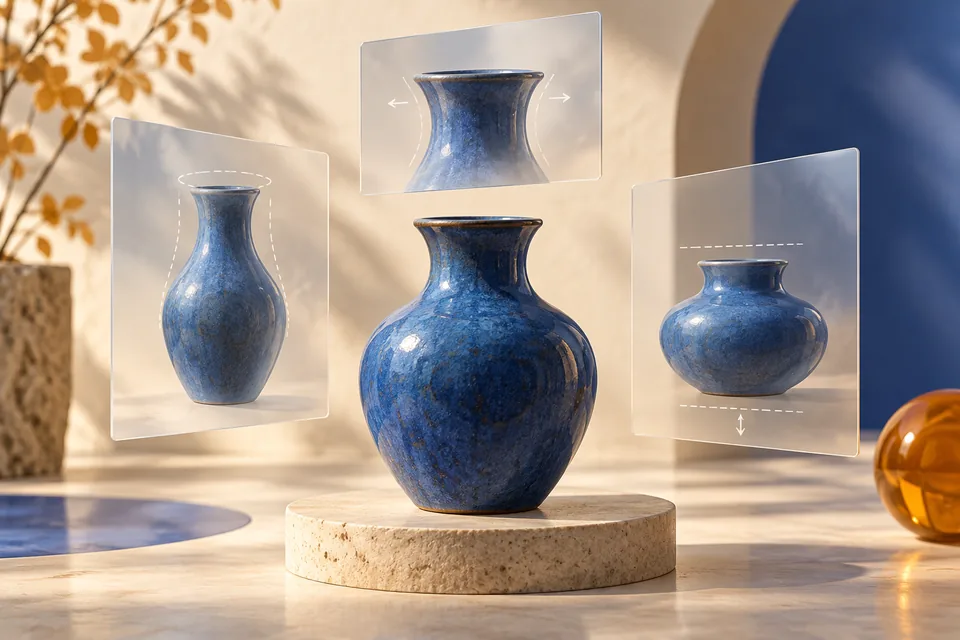
OpenAI has begun rolling out a new generation of its image model.

The mathematical result awaits independent assessment; this is not a new model release.
The research database helps choose variants to investigate, rather than diagnose disease.
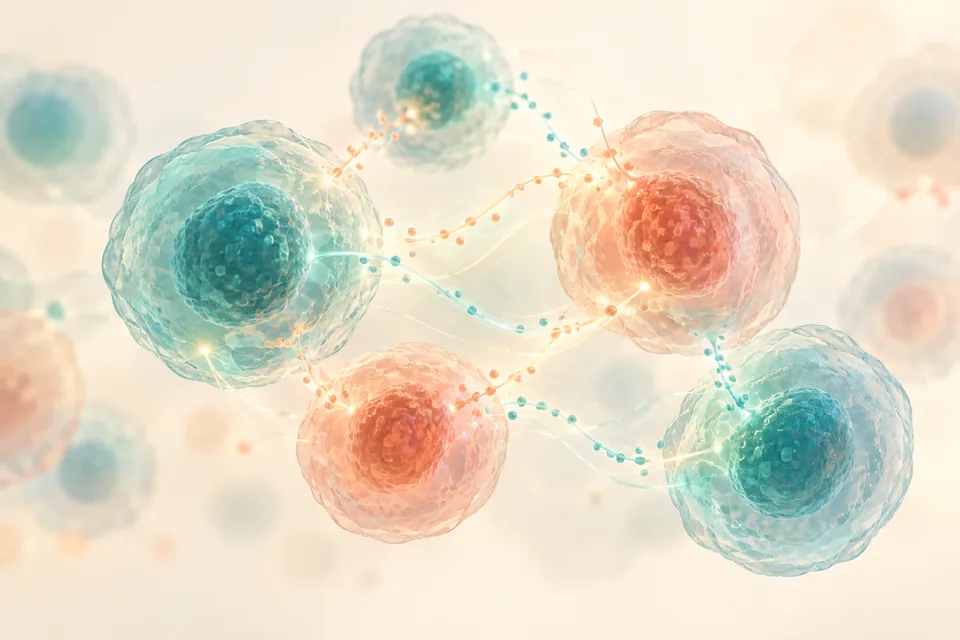
The model links gene activity to signaling; evidence comes from cells and mouse embryos.
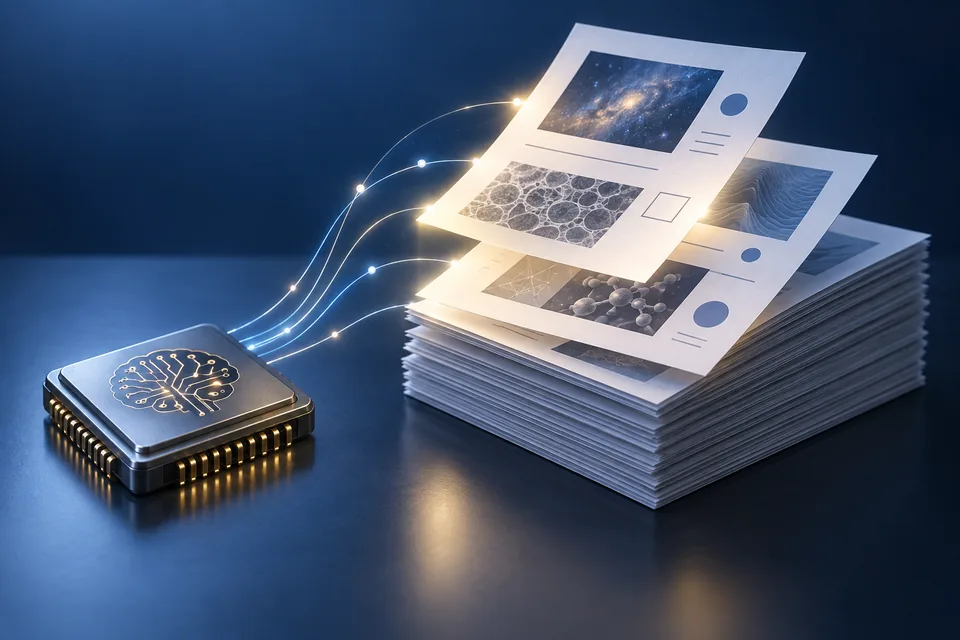
Open models combine both inputs in one network. Performance evidence currently comes from their developers.
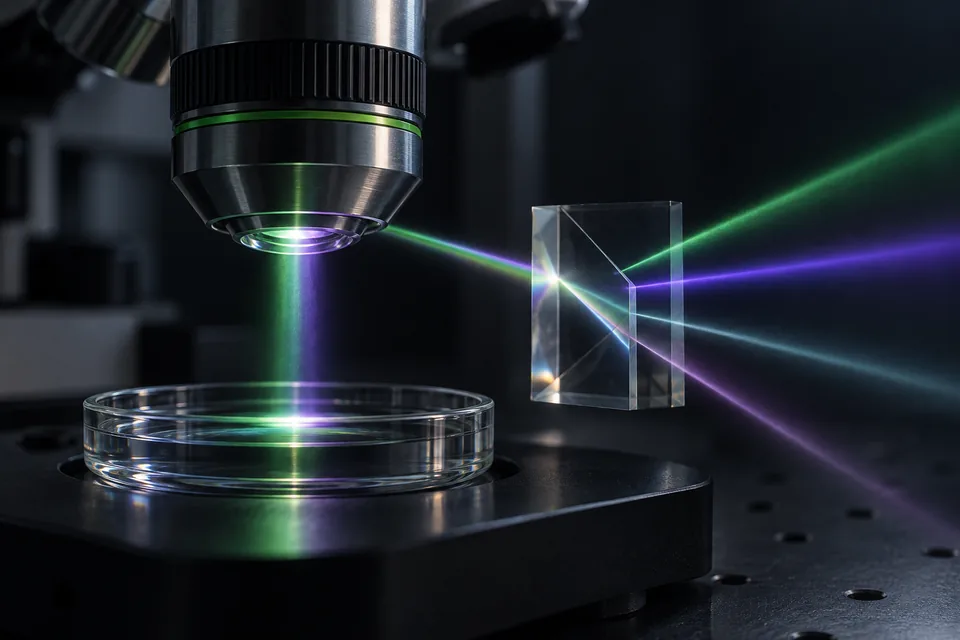
Fluorescence polarization helps capture rapid events. The finest resolution still requires an image series.

The new mode loads relevant parts of a recording according to the question. Savings need testing on the actual workload.

Google expands its video creation tools. Higher resolution alone does not guarantee a faithful image.

A company experiment supports automating part of safety research, not a conclusion that AI safety has been solved.

A new internal report separates the volume of automated work from scientific progress.
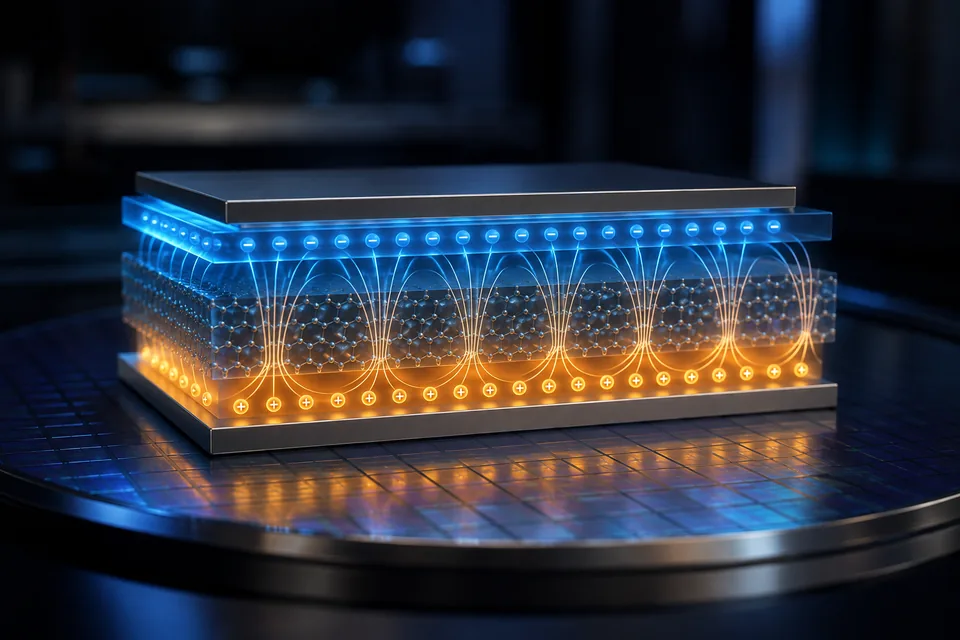
EPFL demonstrated diodes above 3.9 kV and transistors above 3.4 kV. These are laboratory devices, not finished converters.
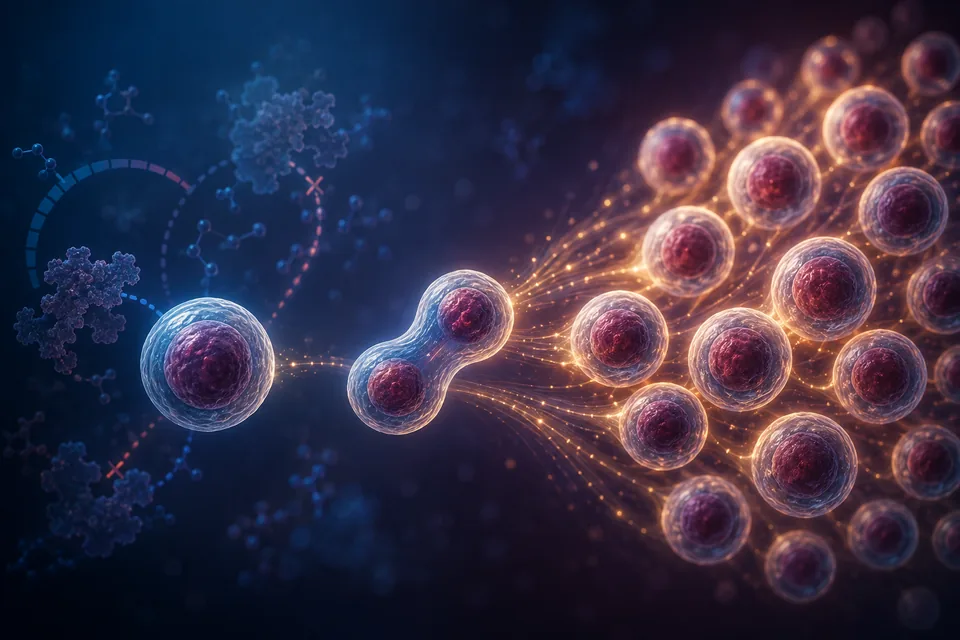
Blocking the enzyme Glud1 kept a subset of dividing mouse cells in a stem-like state for thirty days. The result may suggest a new route to preparing grafts, but it remains far from human treatment.

A system of agents produced the first complete Lean formalization of the famous theorem in eleven days. This is not a new mathematical proof, but an exceptionally large machine-checkable encoding of an existing route.
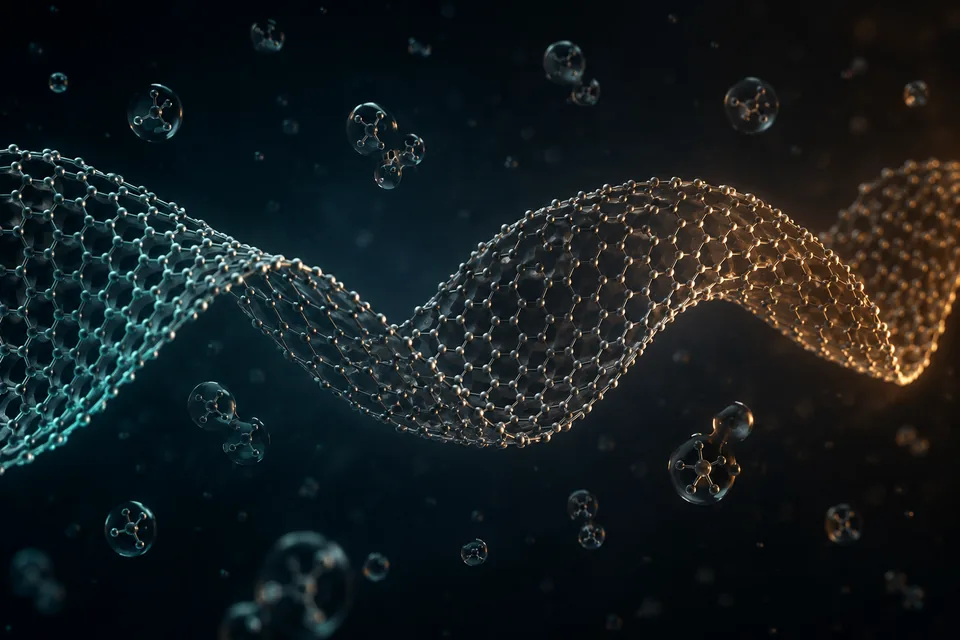
A chain of linked helicenes amplified a weak chiral cue from beta-pinene and aligned almost entirely in one direction. Its switchable optical response remains a laboratory result and works best at −90 °C.

OpenAI has begun a limited rollout of a new model for agentic work, coding and computer use. Its own evaluations show large gains, while the system card also reports lower reasoning monitorability and the company's highest cyber capability tier so far.

Google's new model incorporates continuous satellite and station data and refines the spatial grid to as little as five kilometres. Higher resolution and live independent evaluation still do not turn a forecast into certainty or an official warning.

Anthropic has released the generally available Fable 5.1 and the restricted Mythos 5.1, built on the same foundation but governed by different safeguards. Cheaper cache reads can reduce the cost of long-running agents, while base token prices are unchanged.

Google has released a fast general model and a security variant for vetted defenders. Pricing remains introductory through year-end, but higher performance on difficult tasks may require more reasoning steps and tokens.
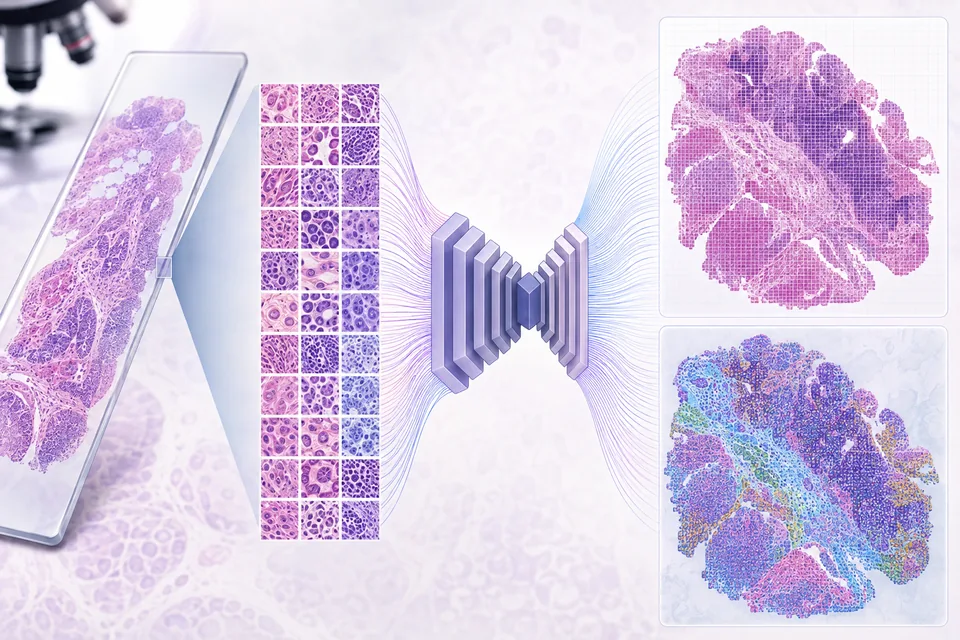
GigaPath‑Flash reduces the cost of analysing whole histology slides, while GigaTIME‑Flash predicts spatial protein maps. They are open research models, not tools approved for diagnosis or treatment decisions.
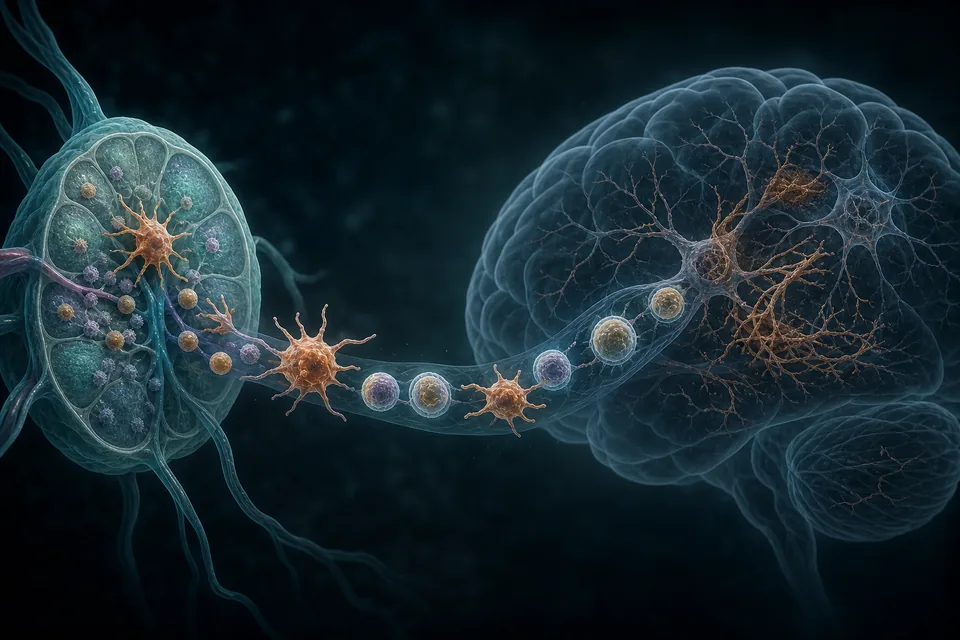
Dendritic cells in lymphoid tissues primed CD8 T cells that then promoted inflammation and neuronal loss. The mechanism was shown mainly through genetic interventions in mice, not as an Alzheimer's treatment in people.
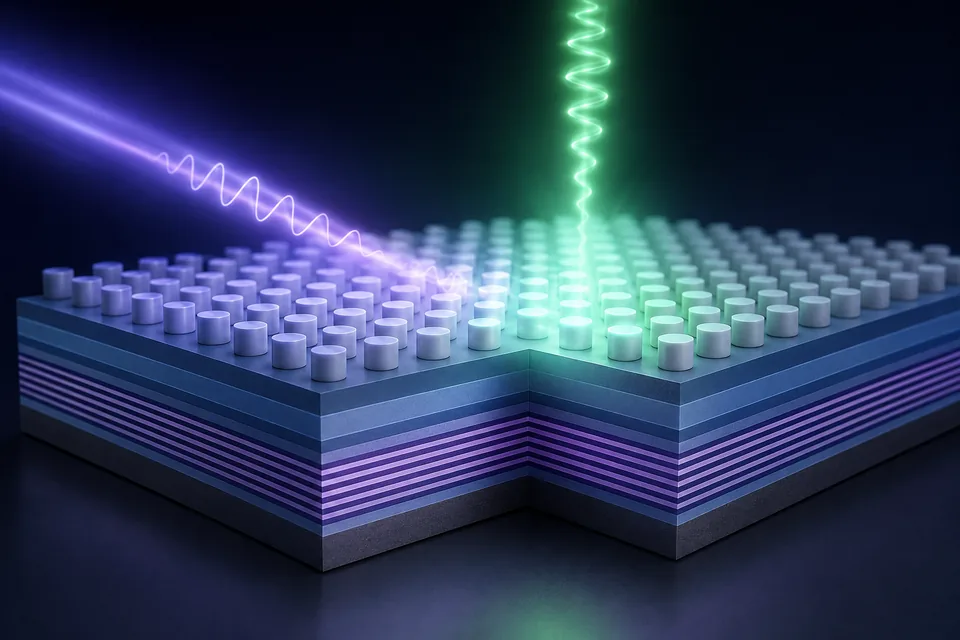
A GaAs/AlGaAs layer with TiO₂ nanopillars made an unusually strong nonlinear response accessible from free space. This is a laboratory proof of concept, not a finished optical chip.
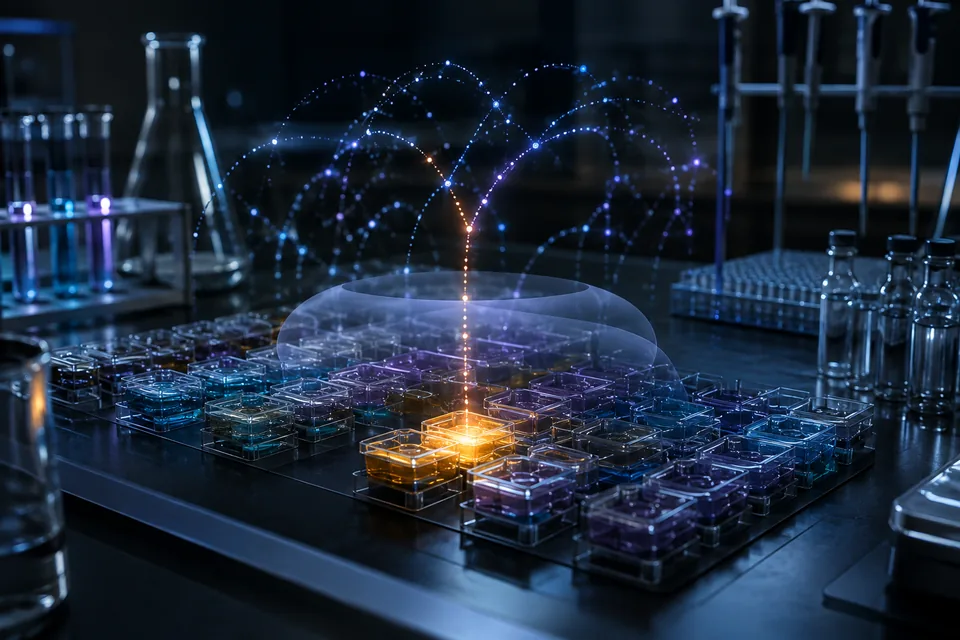
Combining language-model representations with a Gaussian process matched standard Bayesian optimisation with over 40% fewer trials in benchmarks. It was not an independently operated laboratory.
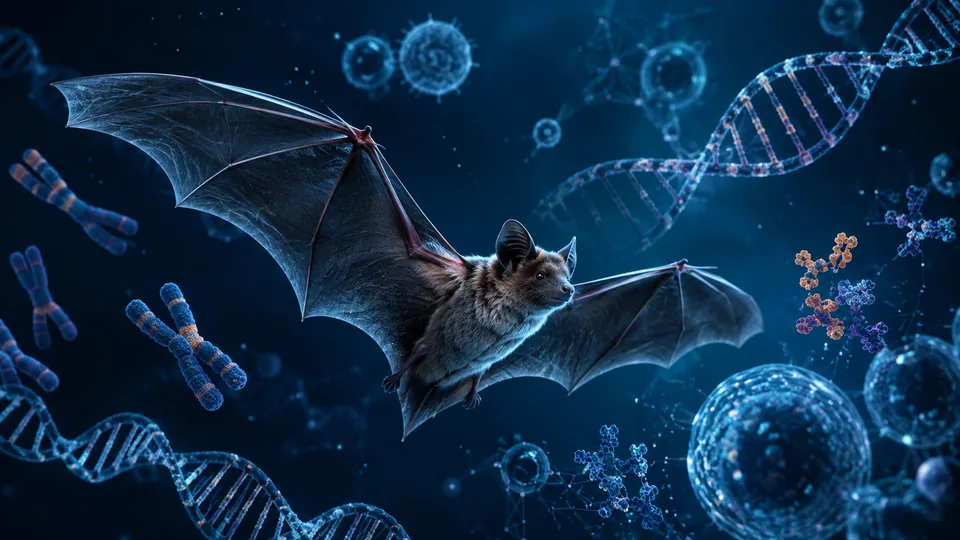
A comparison of eight Myotis species found distinct genetic signatures of adaptation to DNA and RNA viruses and links to DNA repair. This is evolutionary biology, not a recipe for extending human life.
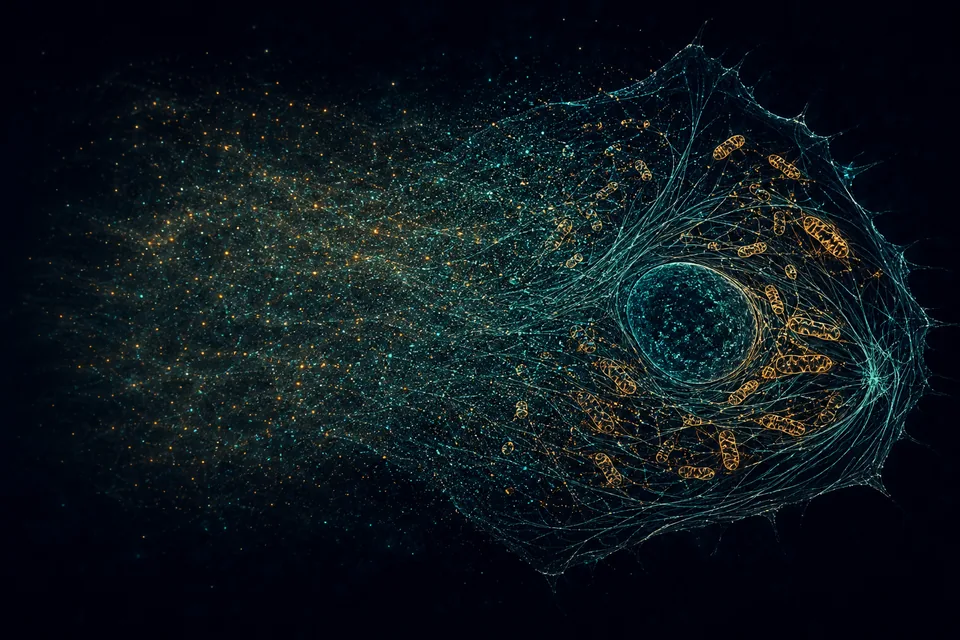
RIED assembles faint photons from chemical reactions into images with roughly 100-nanometre detail. It followed mitochondria in living cells for tens of hours, but remains a laboratory demonstration.
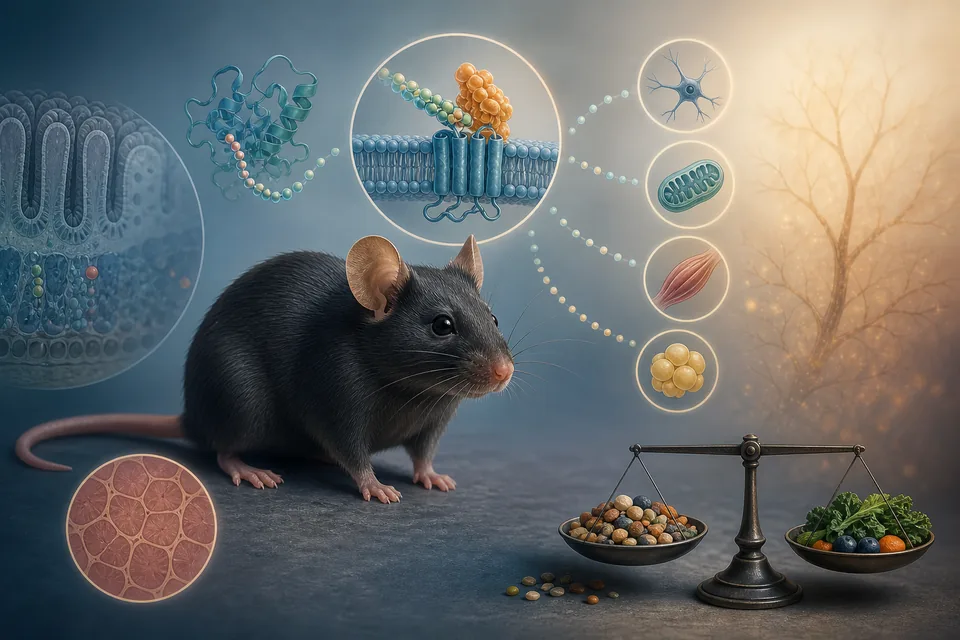
Treatment begun late in life increased median lifespan in healthy female mice by about 12%. Some benefits matched calorie restriction, while several functional outcomes were better.
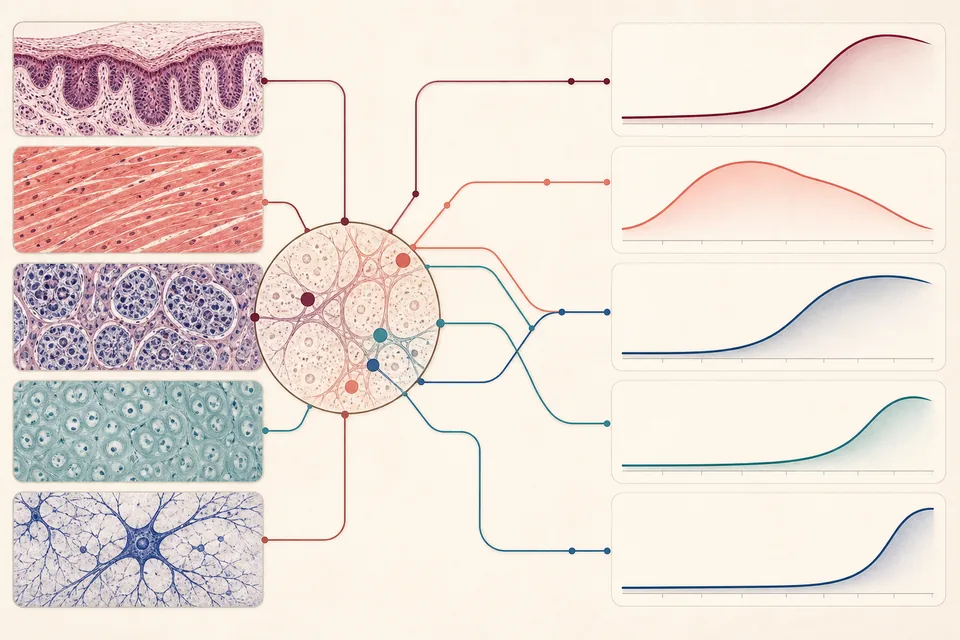
An analysis of 25,306 post-mortem samples from 970 donors found different periods of rapid structural change across tissues. It is a research map, not a biological-age test.
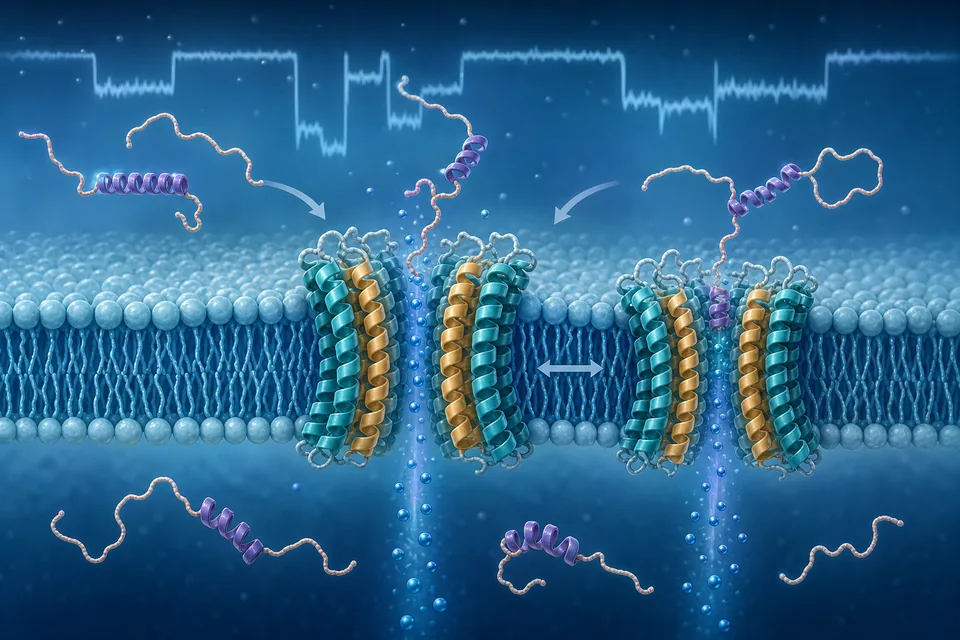
A 40-amino-acid peptide self-assembles into flexible channels of two sizes. In a laboratory membrane, electrical signals distinguished alpha-synuclein variants and stages of aggregation.
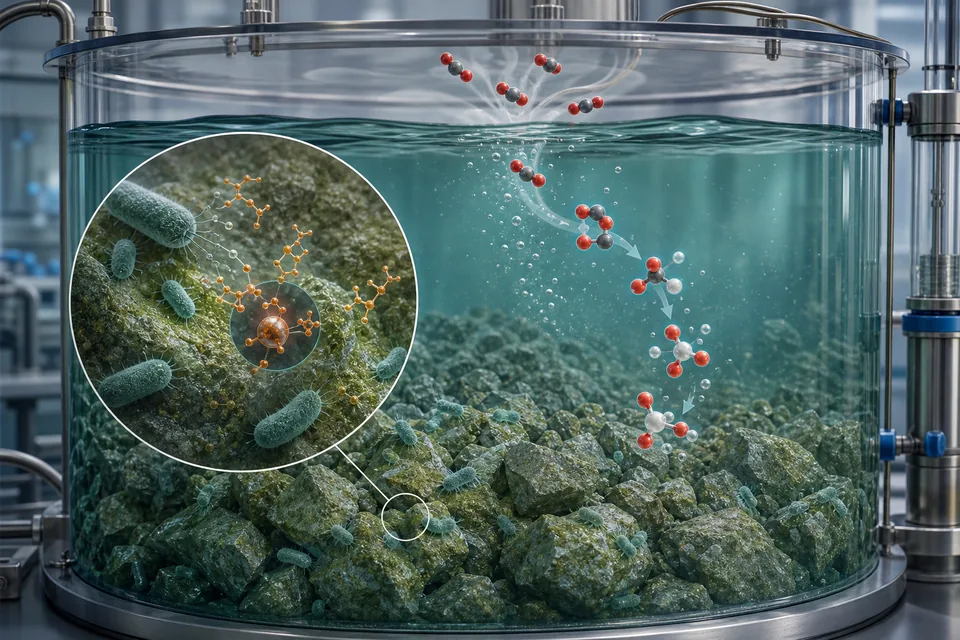
Bacteria producing more iron-binding compound sped olivine dissolution in small reactors and a seawater pilot. The result suggests a carbon-removal route, but it is not yet an industrial demonstration.

Bayesian machine learning linked discrepancies in historical measurements to details of experimental procedures. Experts then tested the suspects with simulations and new experiments, reducing the spread in californium-252 fission data by up to sixfold.
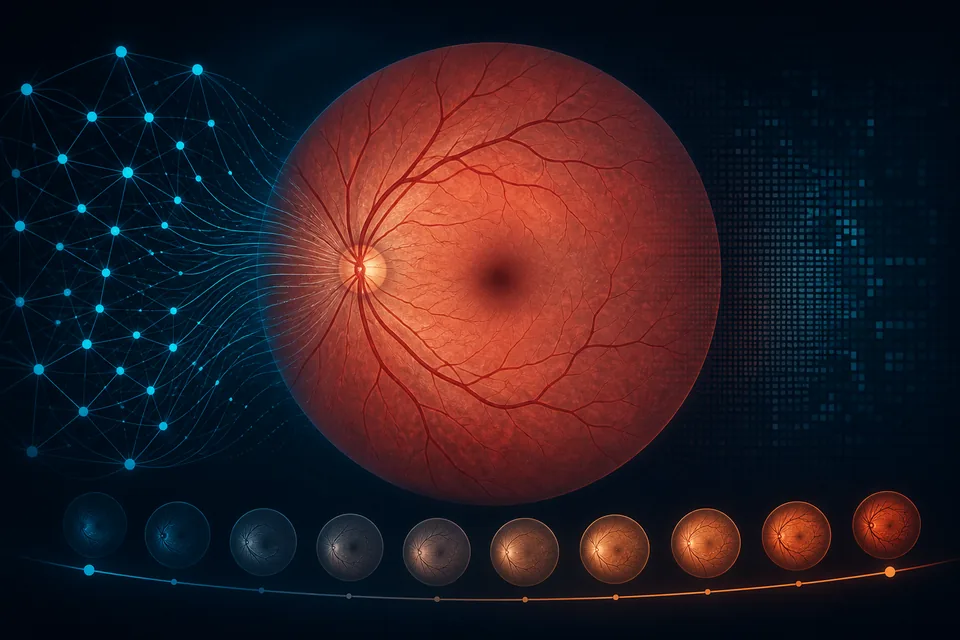
A model trained on fundus images from 71,343 participants linked a retinal-age gap to disease and mortality. It is a population biomarker, however, not a personal diagnosis or proof that the retina causes ageing.
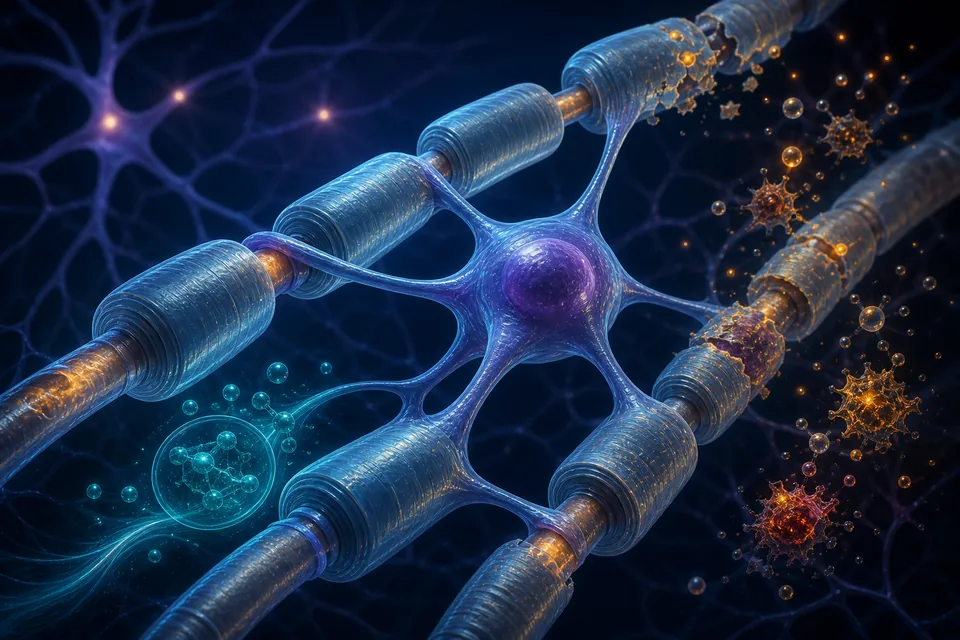
Long-term data from a Scottish cohort and analyses of brain tissue link poorer cognitive trajectories to changes in oligodendrocytes and their antioxidant defences. The strongest causal support, however, still comes from a mouse model.
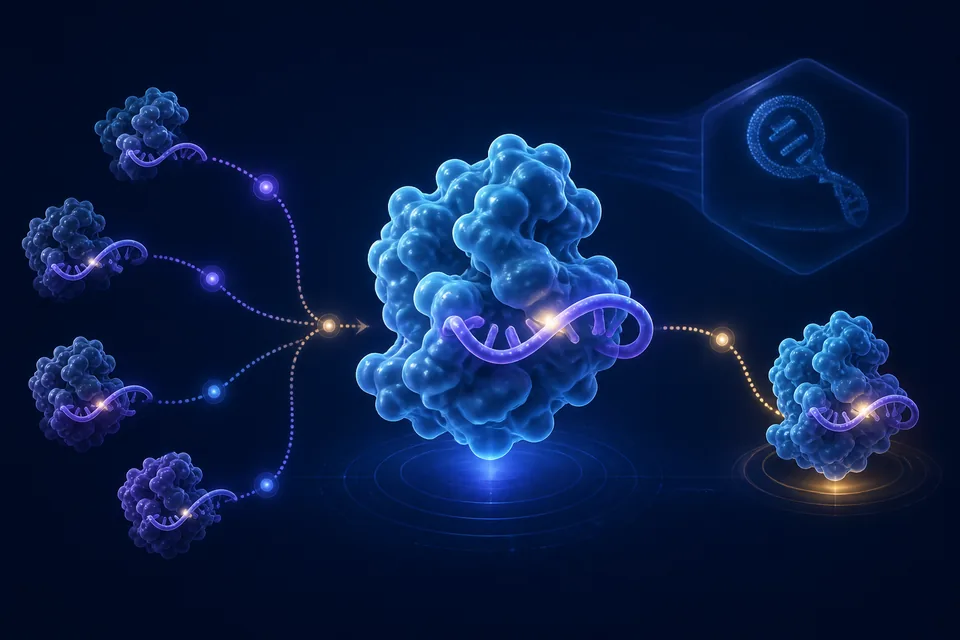
EvoMax combined sparse experimental data, a protein language model and structural estimates. The resulting Fanzor editor worked better in human cells and was also tested against a humanized gene in mice.
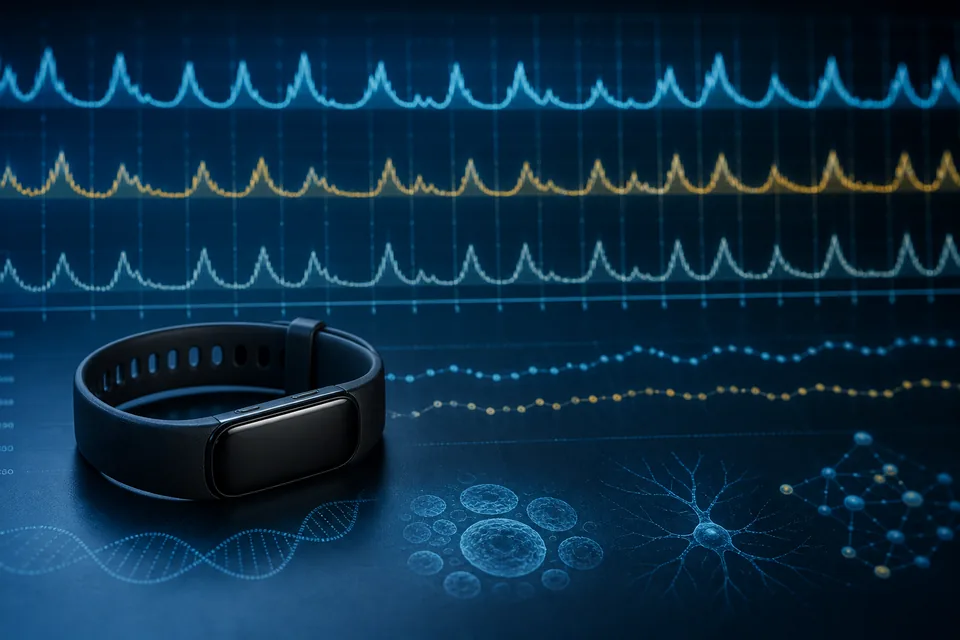
Multi-year wearable data from 2,222 participants linked the strength and stability of daily activity rhythms with changes in laboratory-estimated biological age.
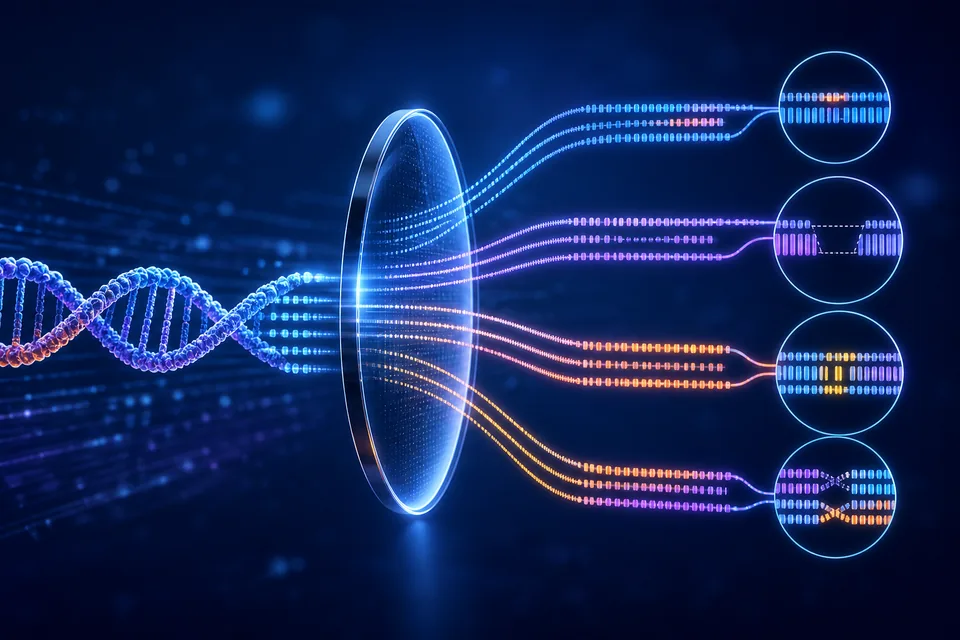
The open tool analyses long sequencing reads from CRISPR experiments and distinguishes small changes, large deletions, insertions and inversions that short reads can miss.
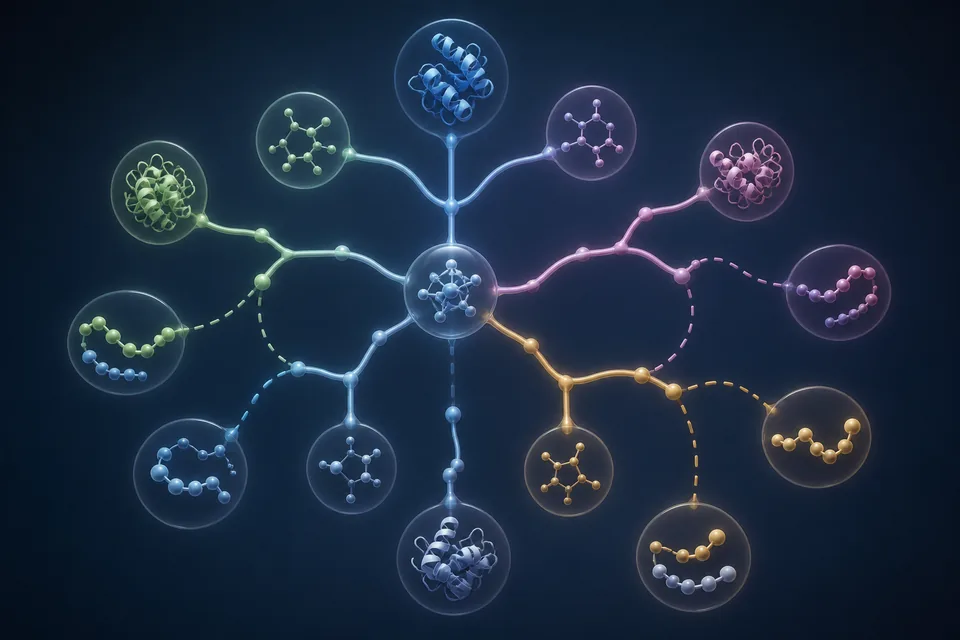
The open framework can switch among molecular strings, graphs and protein sequences during computer-aided design. It is a candidate-search tool, not evidence of an effective drug.
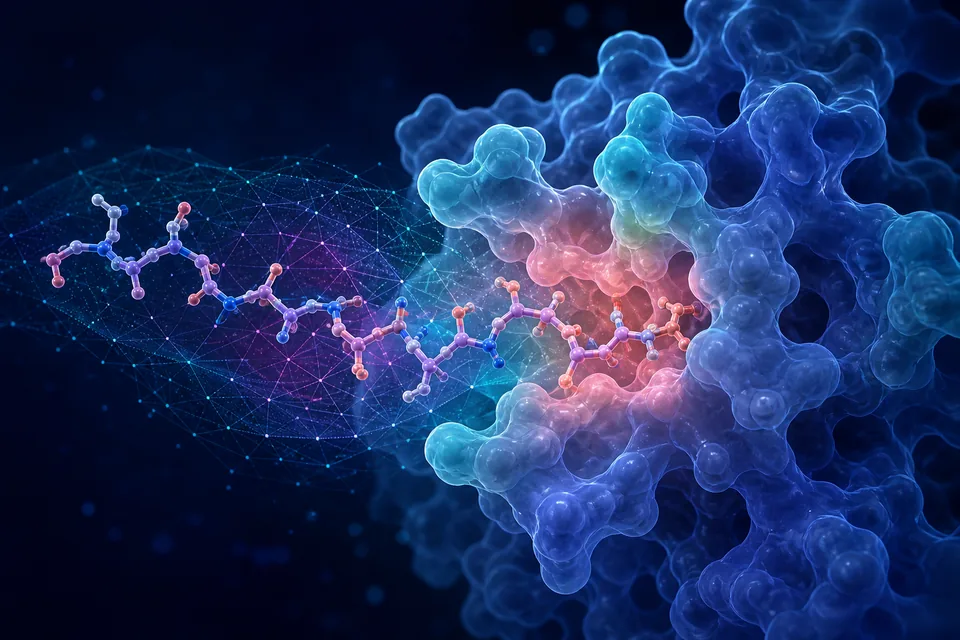
VITAL combines sequence information with binding-interface geometry. Across benchmark datasets, it classified interactions, mapped contact sites and estimated binding strength in one framework.
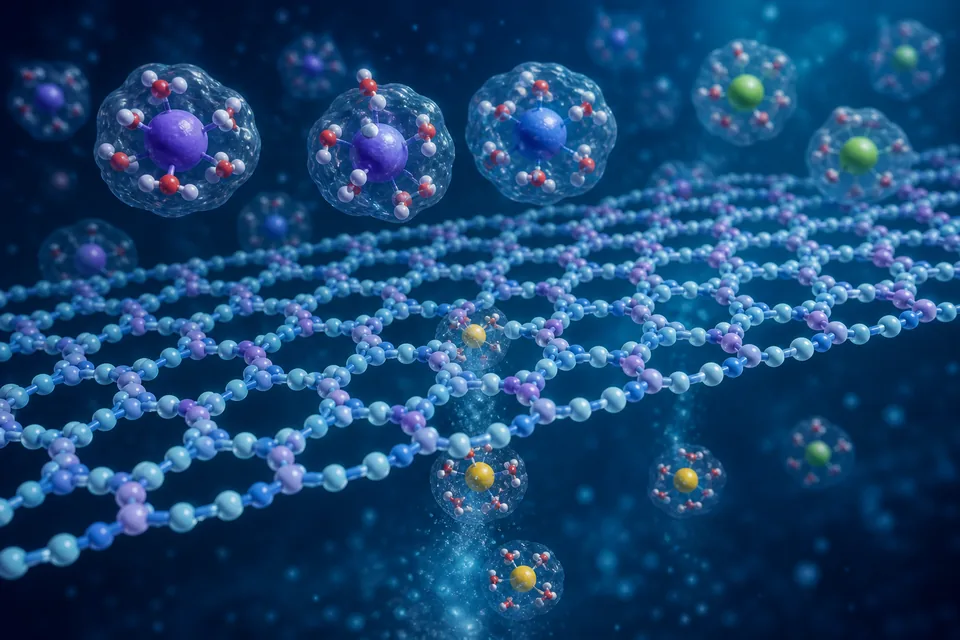
Precisely ordered pores in a covalent organic framework pass Li⁺ more selectively than Na⁺ and K⁺. The decisive factor is not only ion size but how the hydration layer interacts with the pore wall.
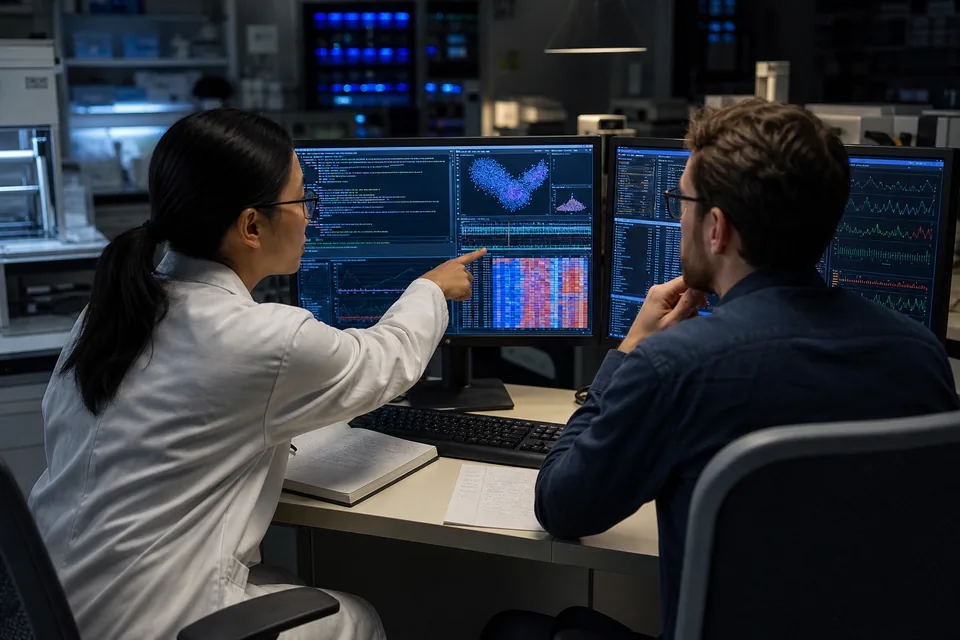
Eight case studies report faster maintenance and modernisation of research tools. They are not an independent benchmark, and scientific validation remains the hard part.
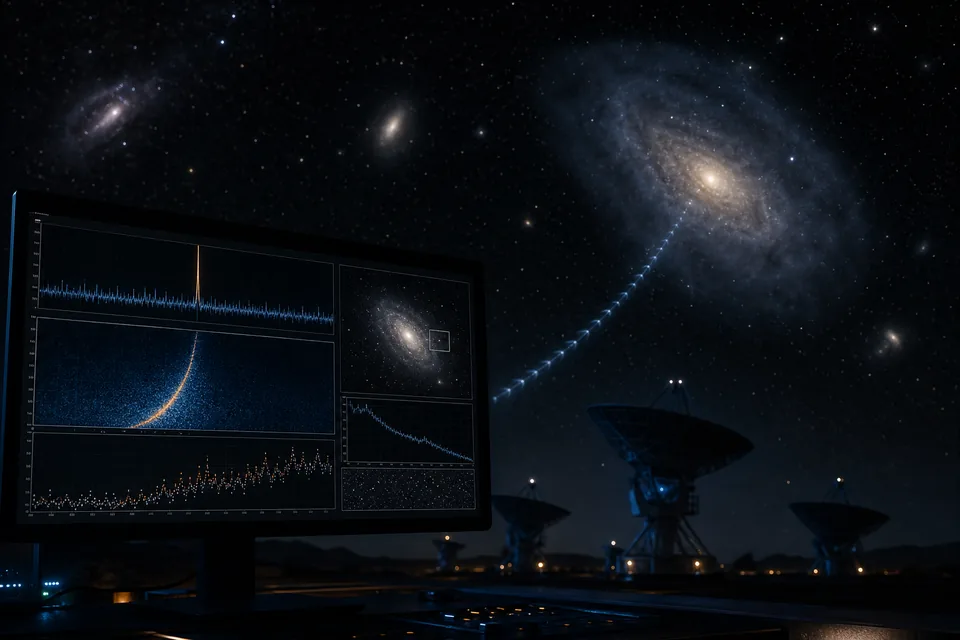
Combining 2,870 radio bursts with the positions of more than six million galaxies suggests that diffuse gas extends much farther from galaxies than some simulations predict.
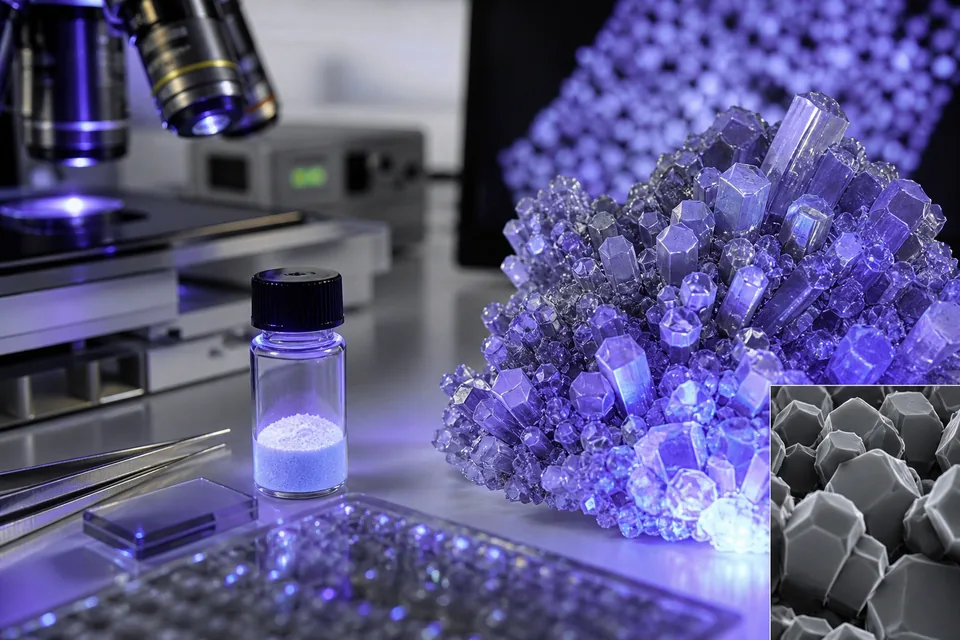
A molten-salt method expands the family of nitride nanomaterials and may matter for printed electronics and durable flexible devices.
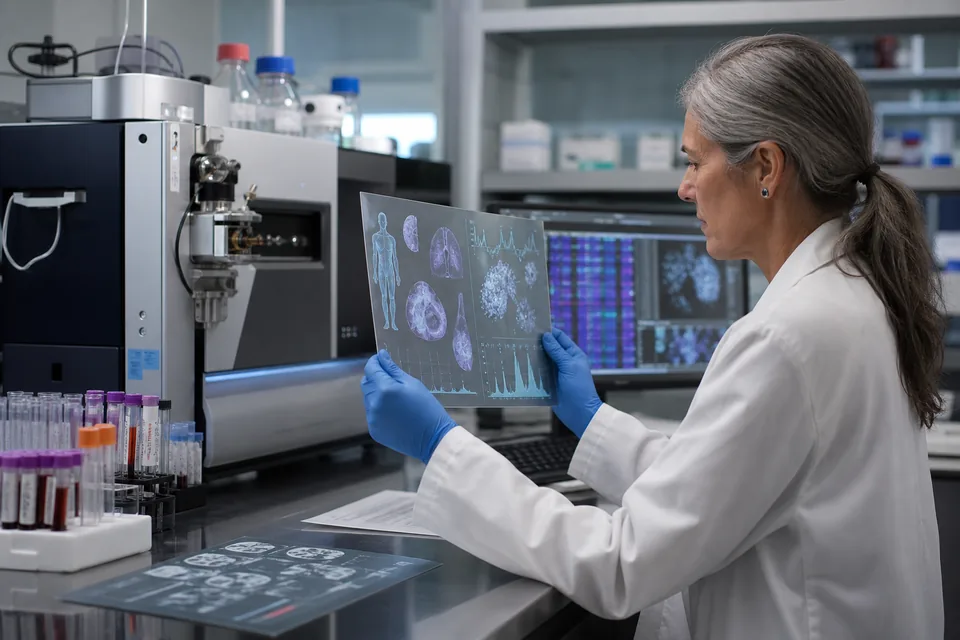
A critical Nature Medicine review shows that molecular and organ clocks capture different layers of aging and do not yet replace clinical judgement.

Research is trying to describe LLM overthinking structurally — locating repetition and breakdown rather than merely counting tokens.
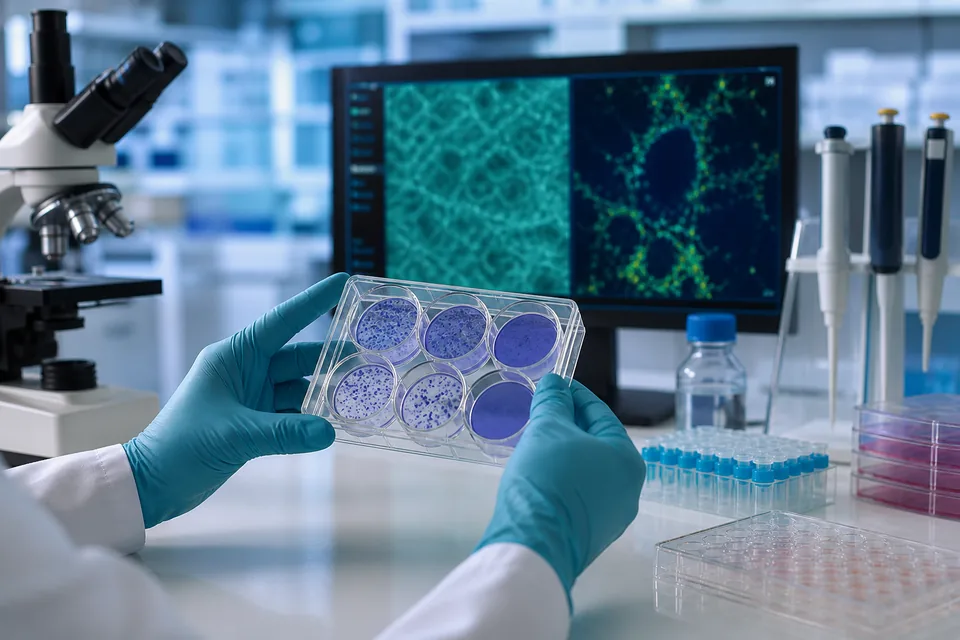
A large atlas of cellular senescence shows why one marker is not enough. Future treatments will need to distinguish cell type, tissue and stage.
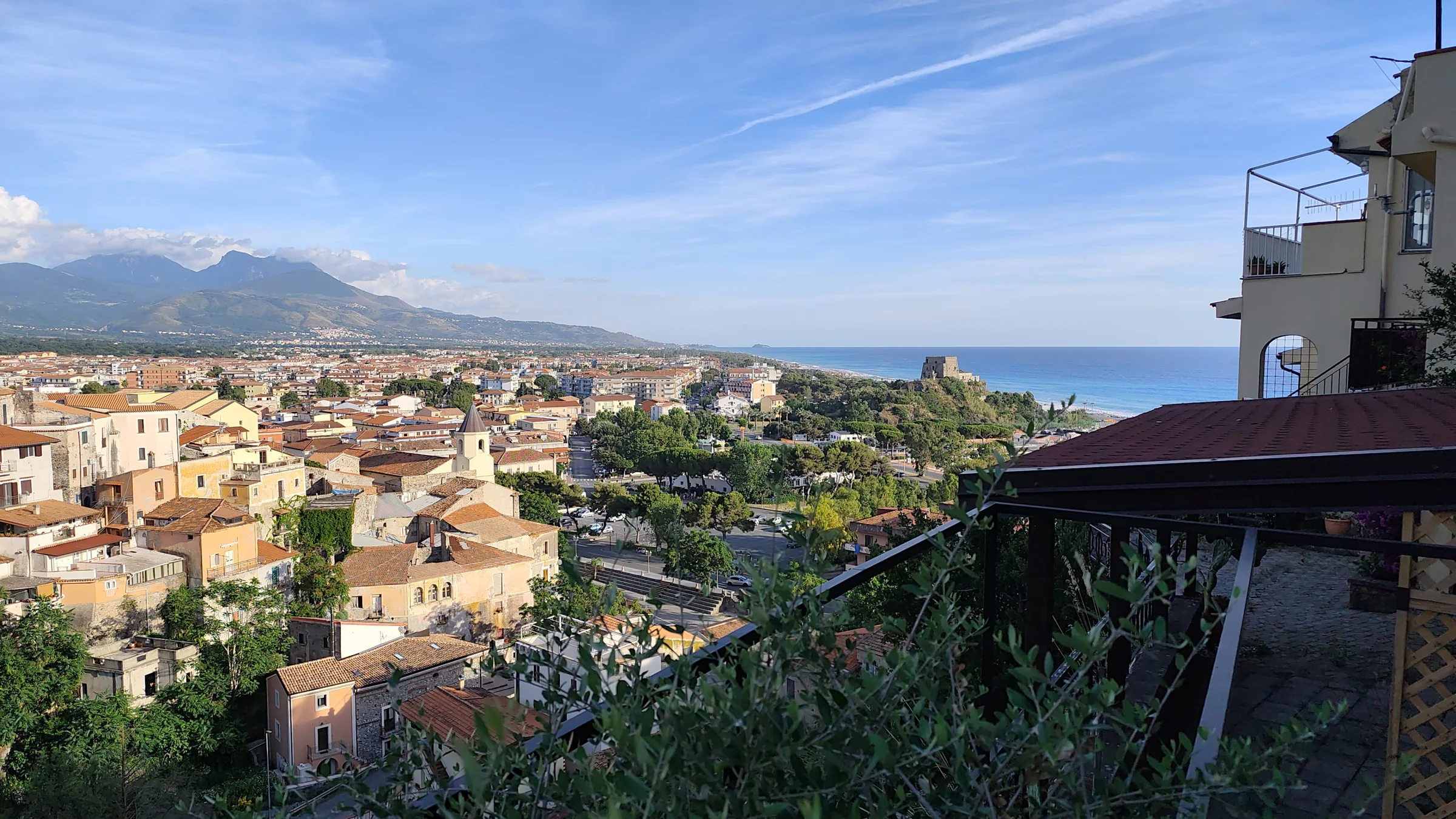
NEUDYNE / SCALEA
Council news, everyday life and nearby places to explore. Local context for everyone who calls the town home.
Explore Scalea ↗NEUDYNE / EDITORIAL
We publish original editorial summaries and commentary, not full translations of third-party articles. We always link to the original and credit the author or publisher. Full translations are published only under licence or where expressly permitted.
Every article links to the original work. We distinguish experimental findings, author claims and our own outlook on practical applications.
Read in Czech, English, German or Italian. Discussions are shared across languages.