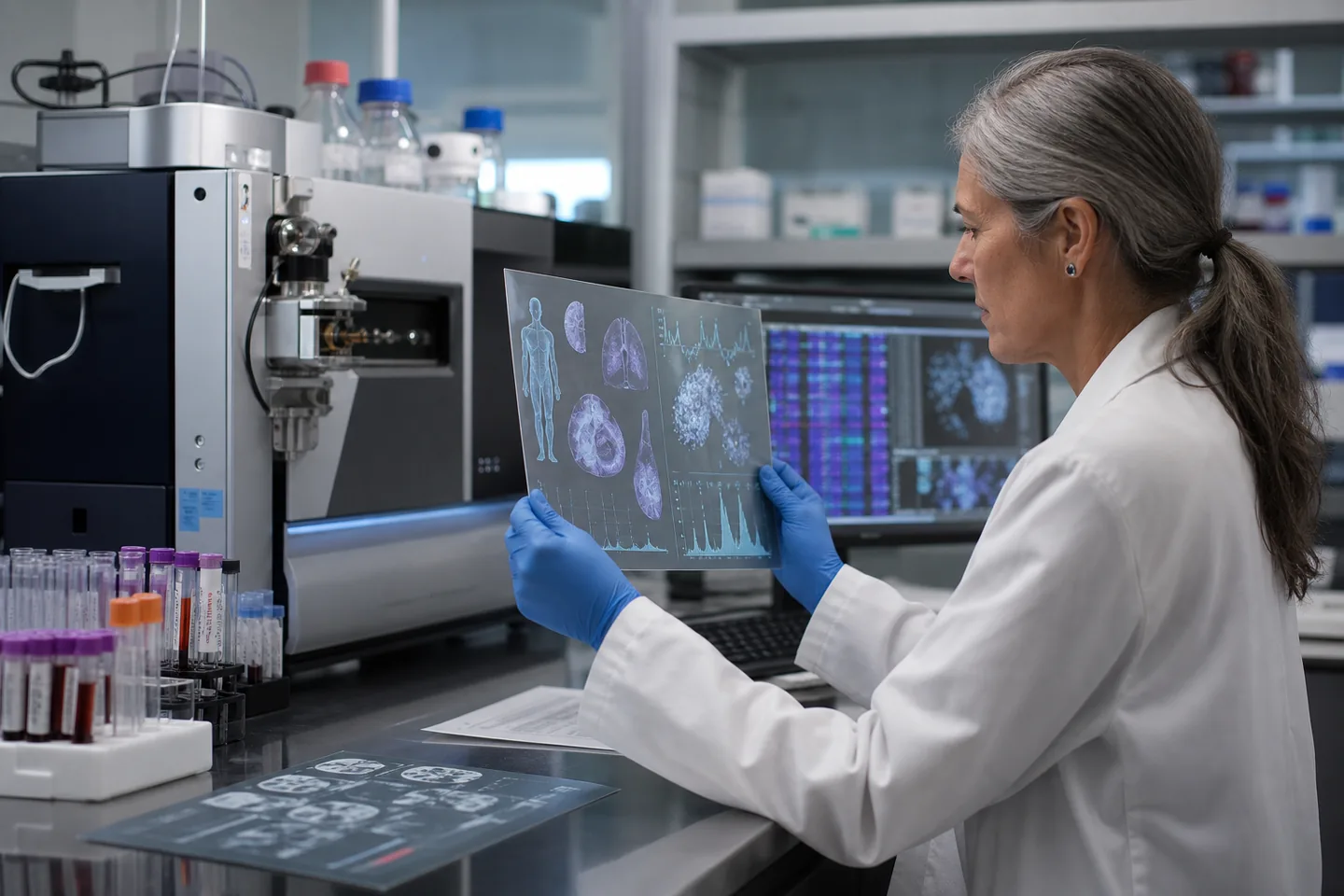
Biological clocks estimate age or aging pace from DNA methylation, proteins, metabolites, imaging and other signals. Tony Wyss-Coray and Eric Topol stress that different clocks do not measure the same biological property and that results depend on the population and method used.
Some models statistically predict disease or mortality, while different organs in one person may appear to age at different rates. This makes clocks promising research biomarkers for prevention and trials, but a changed score does not by itself prove that an intervention rejuvenated a person.
Broader clinical use will require standardisation, independent validation in diverse populations and evidence that moving a clock corresponds to better health. The review also reports one author’s interests in two biotechnology companies.
Be the first to open the discussion.