A virtual cell as a filter for drug-research ideas
ProteinTalks suggests a way to prioritize laboratory work. It is not a doctor inside a computer.
Nature / Rui Sun a kolektivRead story
NEUDYNE / SIGNAL
Important developments in AI, human biology and emerging technology. We follow original sources and explain what the findings mean — including their limits, without the hype.
How we use sources
ProteinTalks suggests a way to prioritize laboratory work. It is not a doctor inside a computer.
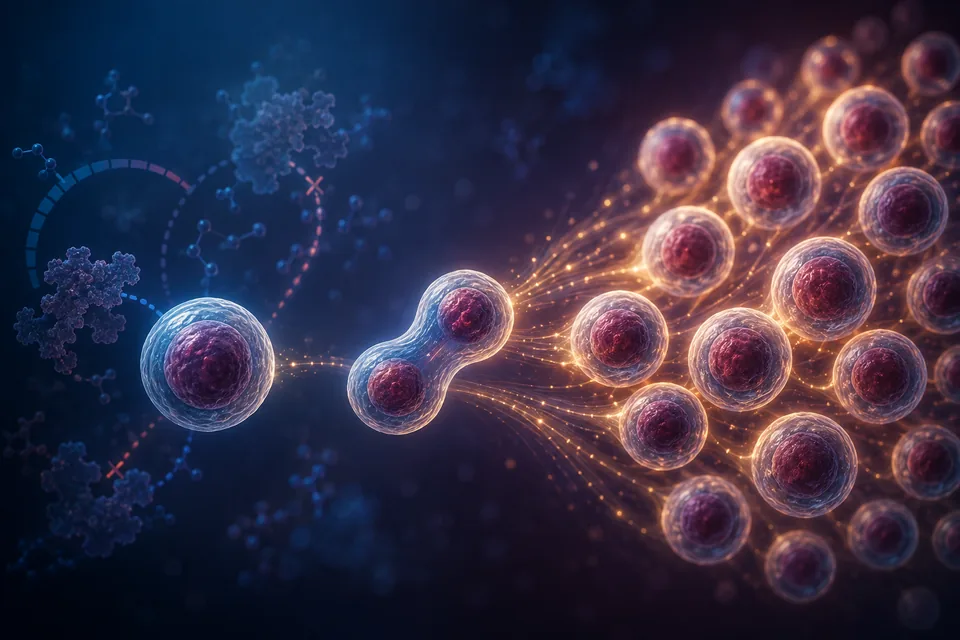
Blocking the enzyme Glud1 kept a subset of dividing mouse cells in a stem-like state for thirty days. The result may suggest a new route to preparing grafts, but it remains far from human treatment.
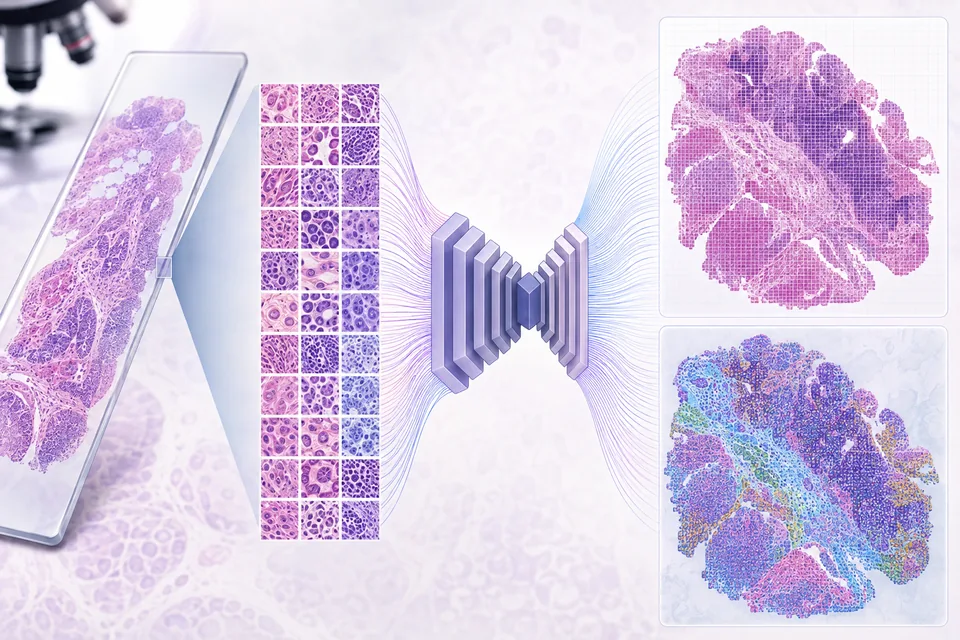
GigaPath‑Flash reduces the cost of analysing whole histology slides, while GigaTIME‑Flash predicts spatial protein maps. They are open research models, not tools approved for diagnosis or treatment decisions.
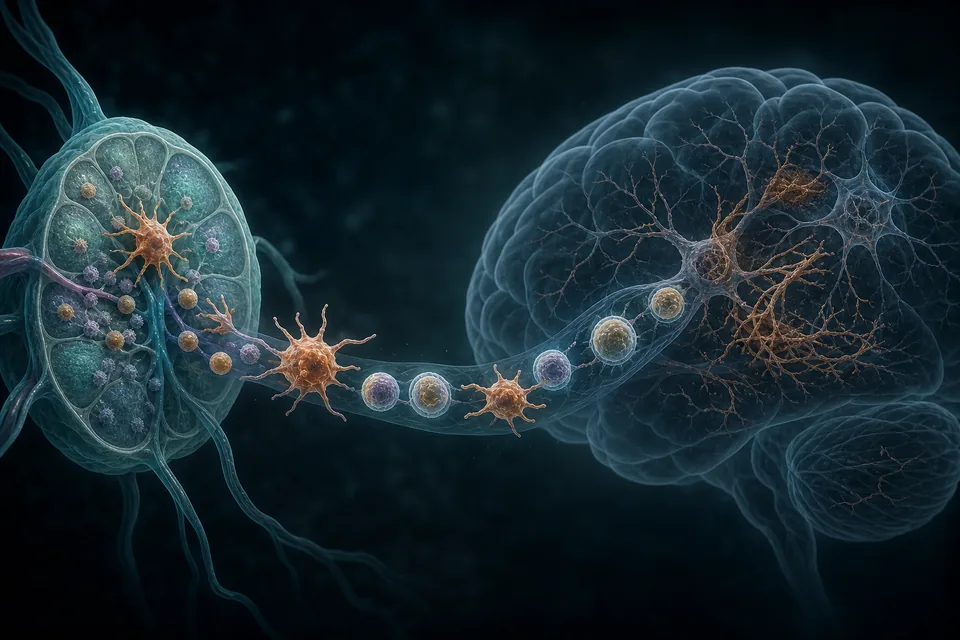
Dendritic cells in lymphoid tissues primed CD8 T cells that then promoted inflammation and neuronal loss. The mechanism was shown mainly through genetic interventions in mice, not as an Alzheimer's treatment in people.
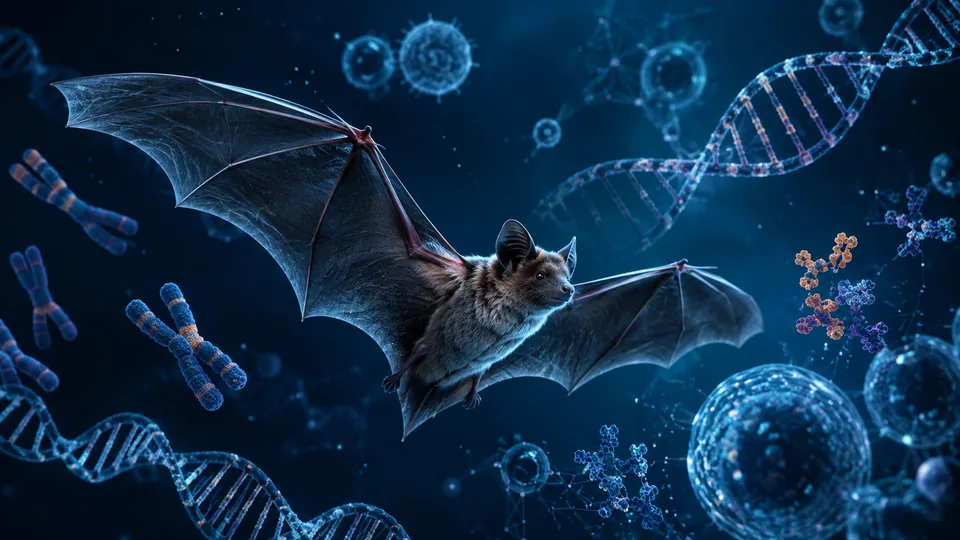
A comparison of eight Myotis species found distinct genetic signatures of adaptation to DNA and RNA viruses and links to DNA repair. This is evolutionary biology, not a recipe for extending human life.
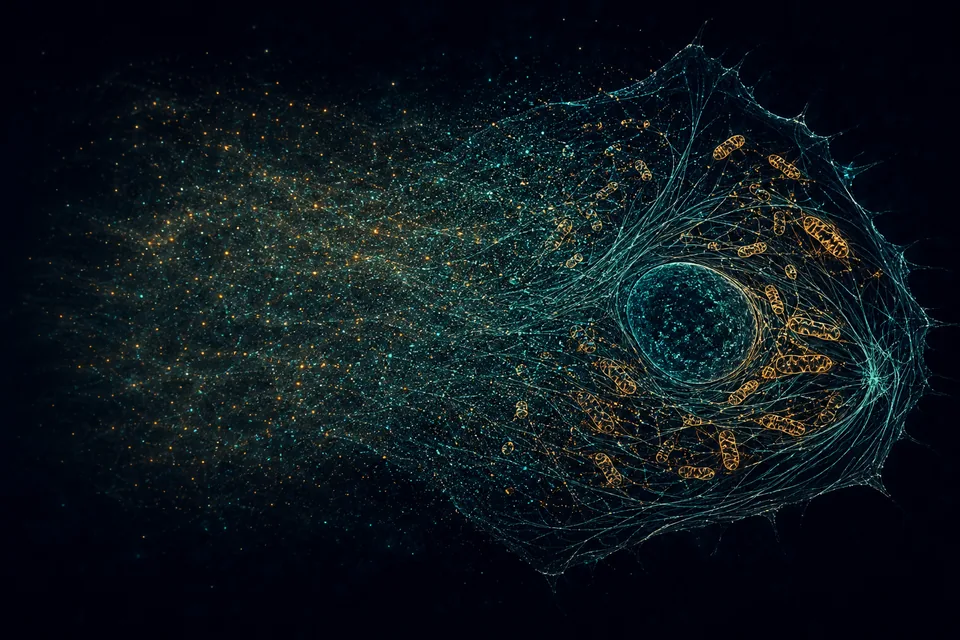
RIED assembles faint photons from chemical reactions into images with roughly 100-nanometre detail. It followed mitochondria in living cells for tens of hours, but remains a laboratory demonstration.
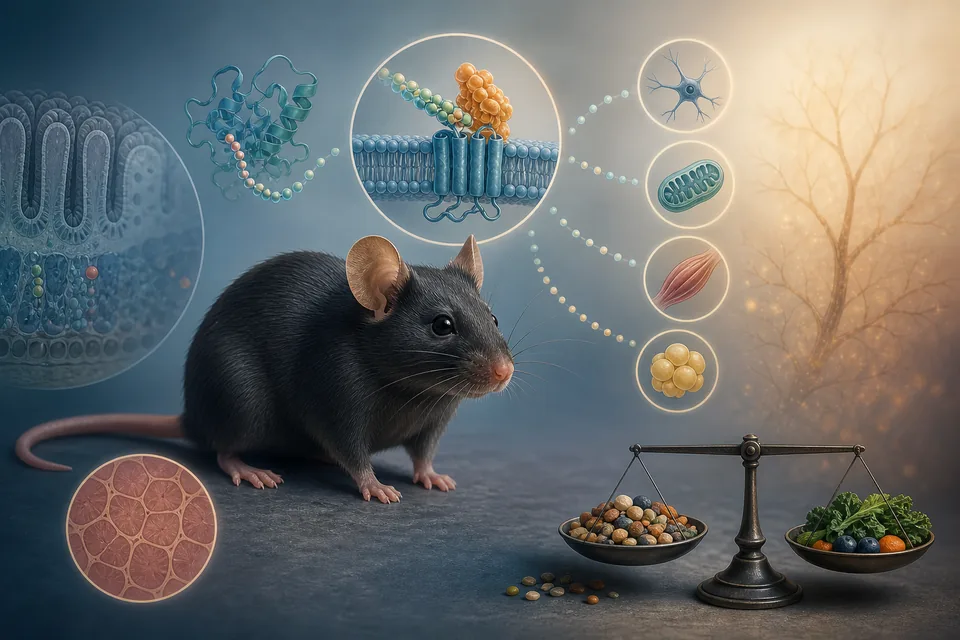
Treatment begun late in life increased median lifespan in healthy female mice by about 12%. Some benefits matched calorie restriction, while several functional outcomes were better.
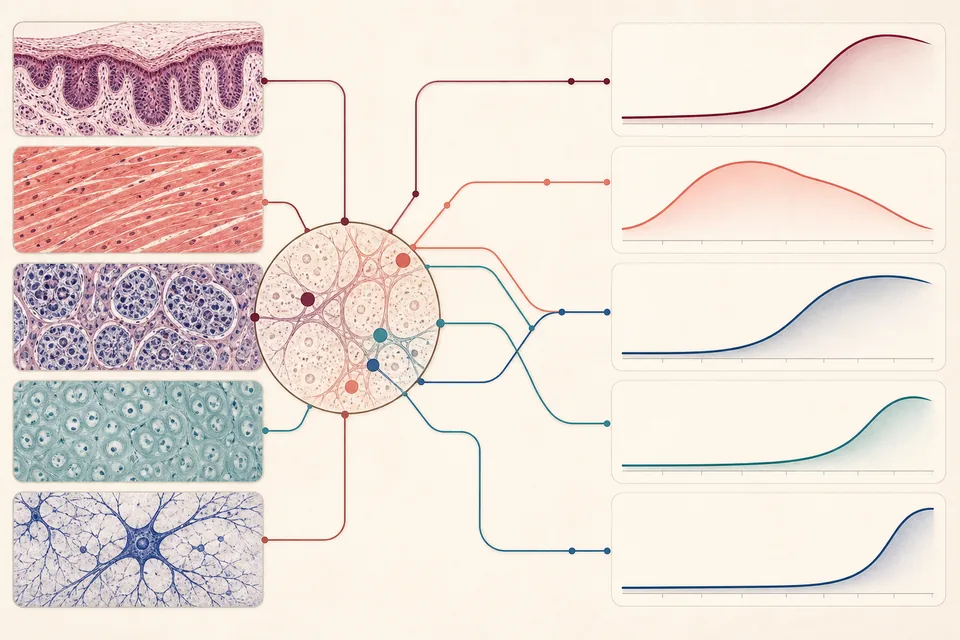
An analysis of 25,306 post-mortem samples from 970 donors found different periods of rapid structural change across tissues. It is a research map, not a biological-age test.
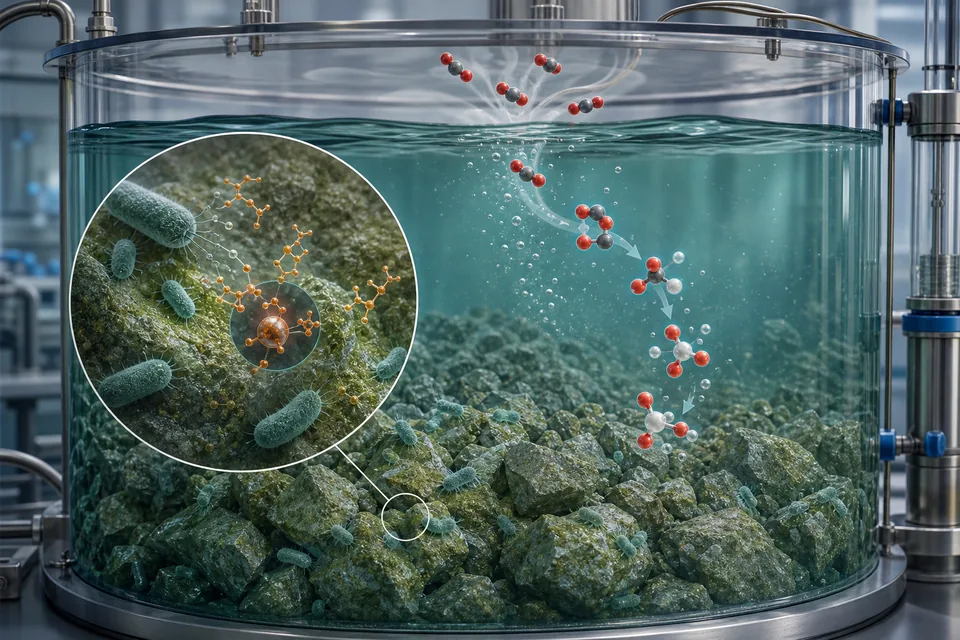
Bacteria producing more iron-binding compound sped olivine dissolution in small reactors and a seawater pilot. The result suggests a carbon-removal route, but it is not yet an industrial demonstration.
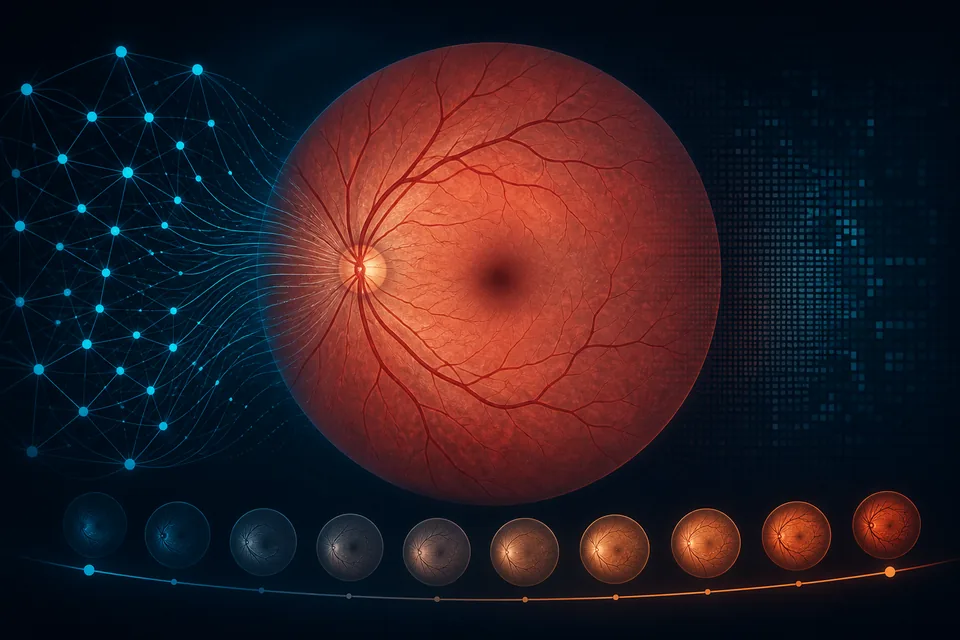
A model trained on fundus images from 71,343 participants linked a retinal-age gap to disease and mortality. It is a population biomarker, however, not a personal diagnosis or proof that the retina causes ageing.
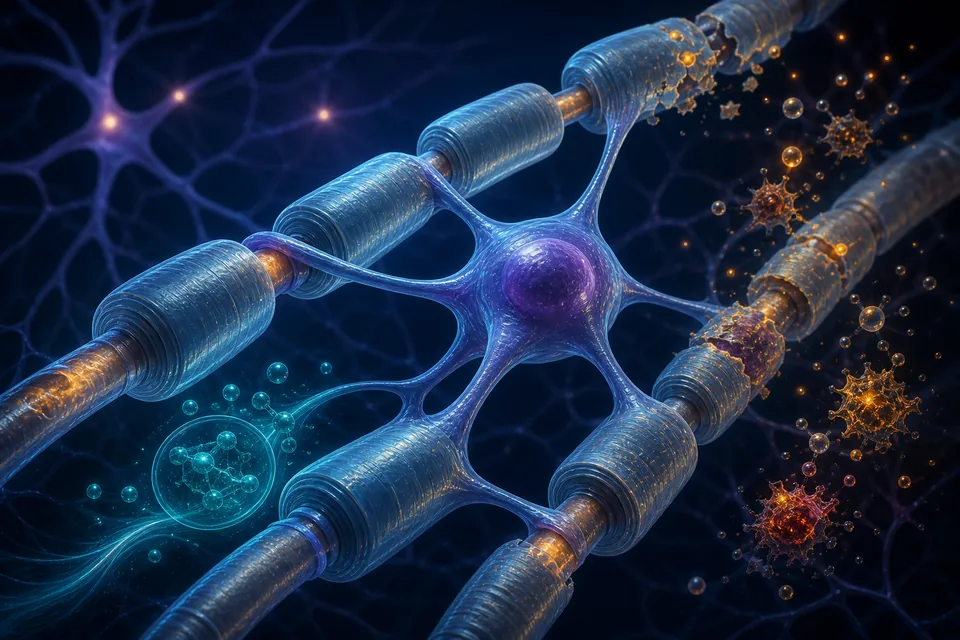
Long-term data from a Scottish cohort and analyses of brain tissue link poorer cognitive trajectories to changes in oligodendrocytes and their antioxidant defences. The strongest causal support, however, still comes from a mouse model.
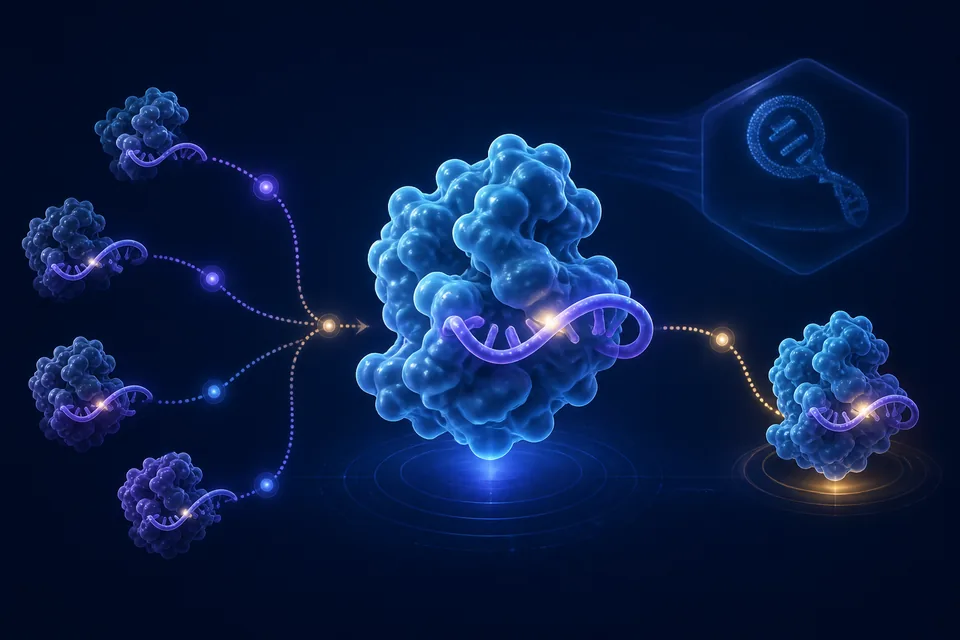
EvoMax combined sparse experimental data, a protein language model and structural estimates. The resulting Fanzor editor worked better in human cells and was also tested against a humanized gene in mice.
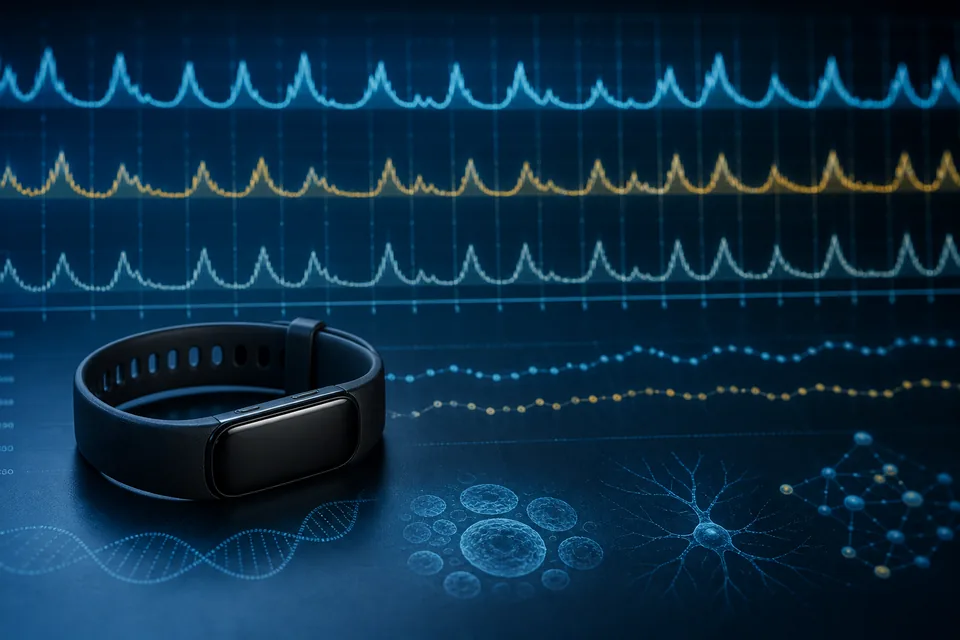
Multi-year wearable data from 2,222 participants linked the strength and stability of daily activity rhythms with changes in laboratory-estimated biological age.
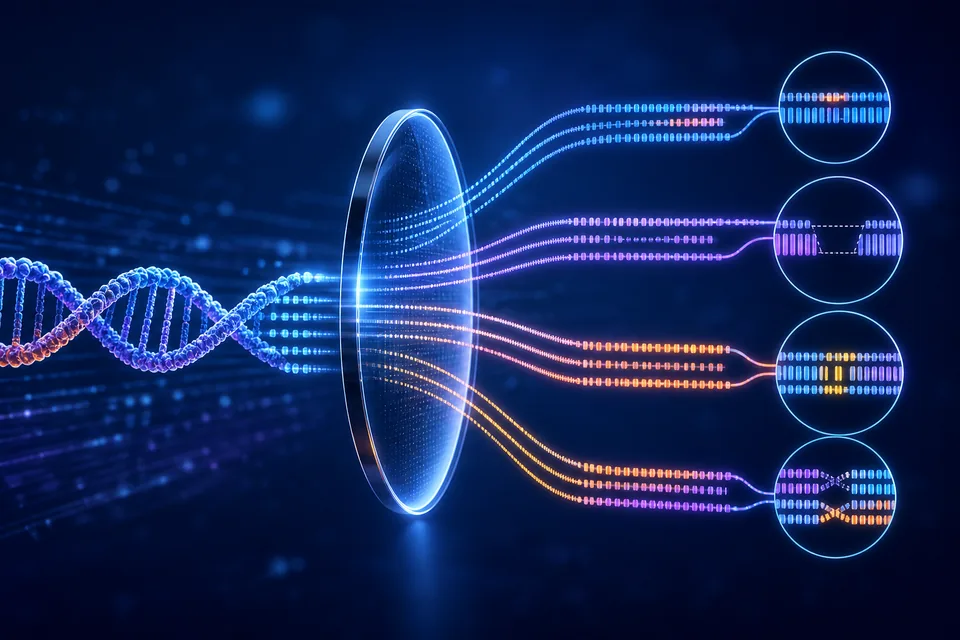
The open tool analyses long sequencing reads from CRISPR experiments and distinguishes small changes, large deletions, insertions and inversions that short reads can miss.
A critical Nature Medicine review shows that molecular and organ clocks capture different layers of aging and do not yet replace clinical judgement.
A large atlas of cellular senescence shows why one marker is not enough. Future treatments will need to distinguish cell type, tissue and stage.
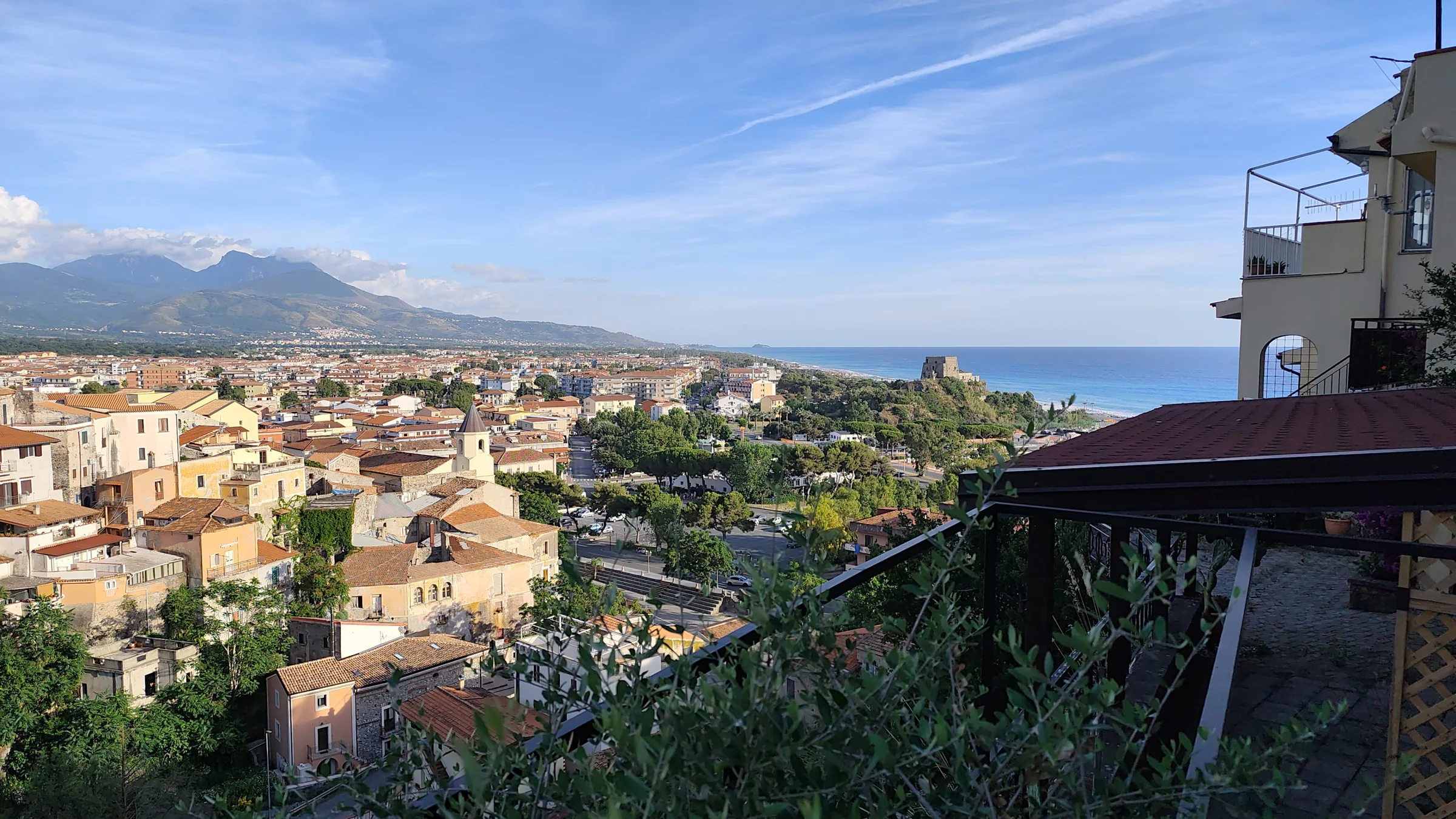
NEUDYNE / SCALEA
Council news, everyday life and nearby places to explore. Local context for everyone who calls the town home.
Explore Scalea ↗NEUDYNE / EDITORIAL
We publish original editorial summaries and commentary, not full translations of third-party articles. We always link to the original and credit the author or publisher. Full translations are published only under licence or where expressly permitted.
Every article links to the original work. We distinguish experimental findings, author claims and our own outlook on practical applications.
Read in Czech, English, German or Italian. Discussions are shared across languages.