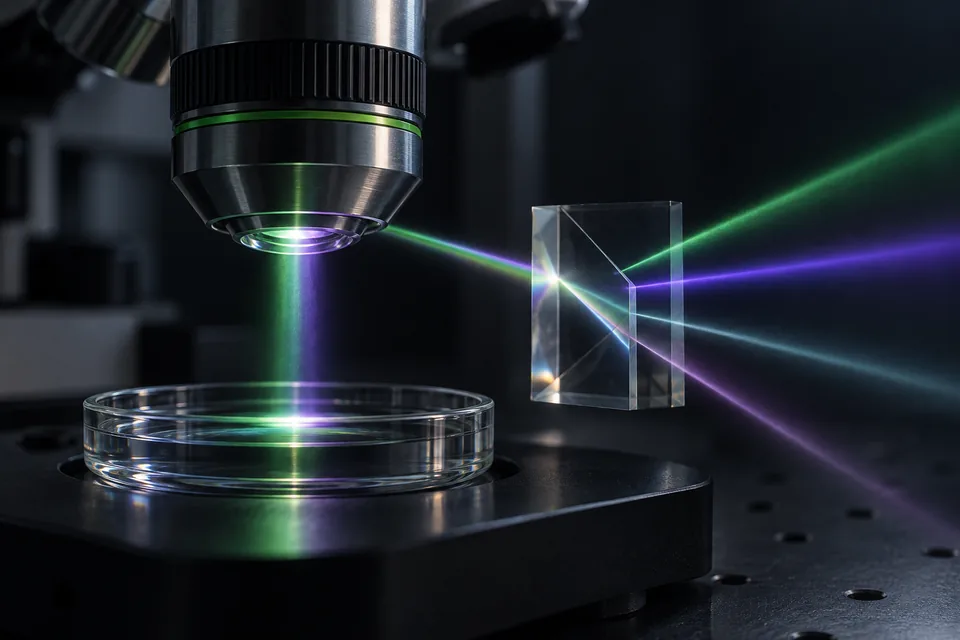
SPIFFI sharpens live-cell images from a single exposure
Fluorescence polarization helps capture rapid events. The finest resolution still requires an image series.
Nature MethodsRead story
NEUDYNE / SIGNAL
Important developments in AI, human biology and emerging technology. We follow original sources and explain what the findings mean — including their limits, without the hype.
How we use sources
Fluorescence polarization helps capture rapid events. The finest resolution still requires an image series.
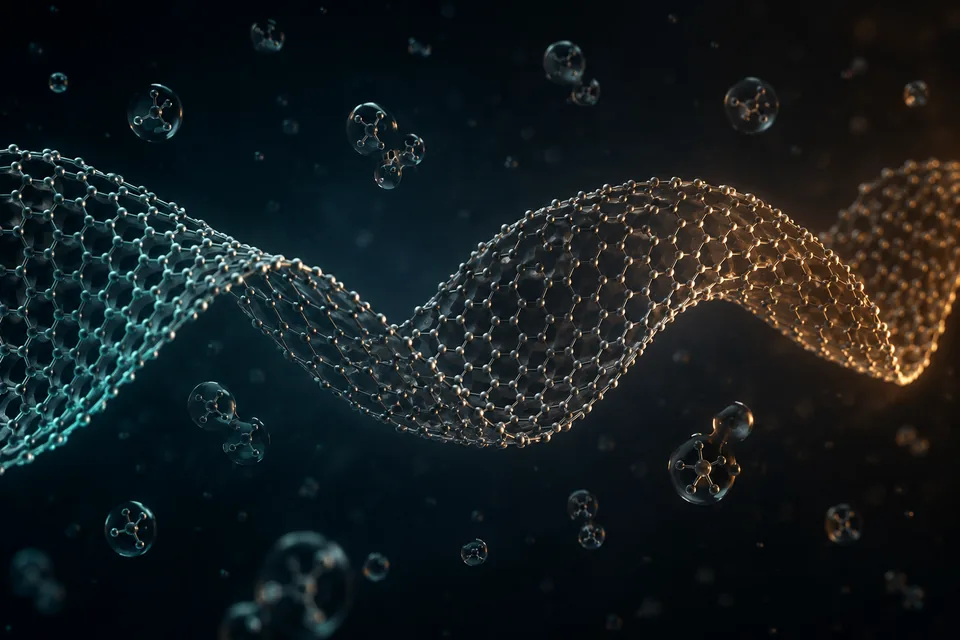
A chain of linked helicenes amplified a weak chiral cue from beta-pinene and aligned almost entirely in one direction. Its switchable optical response remains a laboratory result and works best at −90 °C.
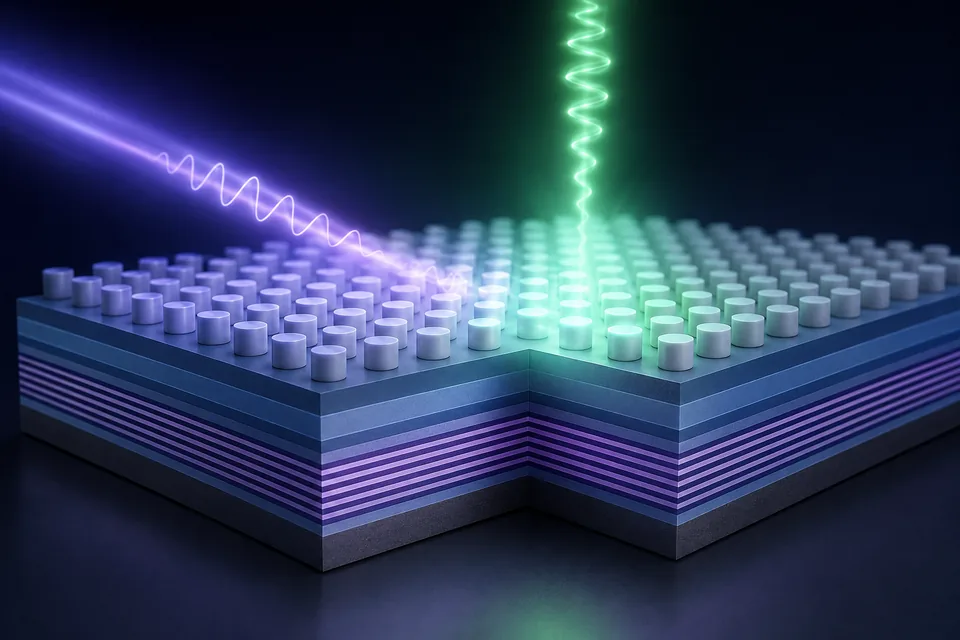
A GaAs/AlGaAs layer with TiO₂ nanopillars made an unusually strong nonlinear response accessible from free space. This is a laboratory proof of concept, not a finished optical chip.
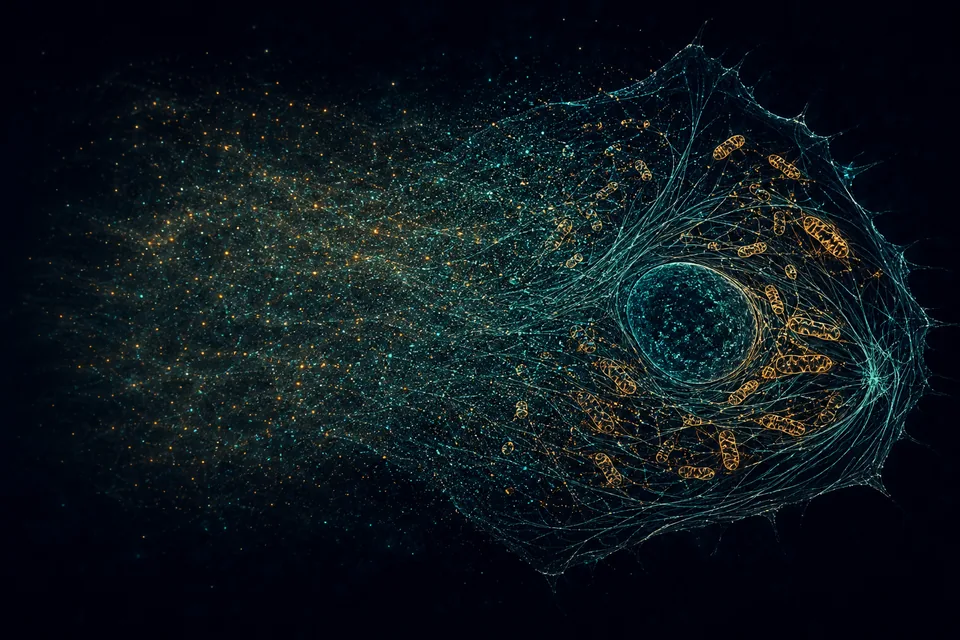
RIED assembles faint photons from chemical reactions into images with roughly 100-nanometre detail. It followed mitochondria in living cells for tens of hours, but remains a laboratory demonstration.
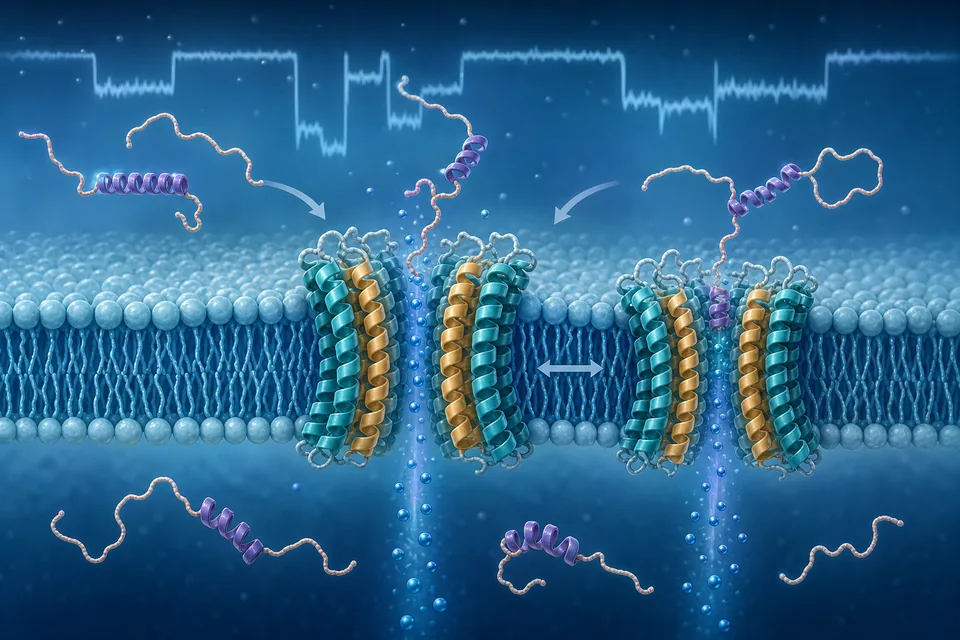
A 40-amino-acid peptide self-assembles into flexible channels of two sizes. In a laboratory membrane, electrical signals distinguished alpha-synuclein variants and stages of aggregation.
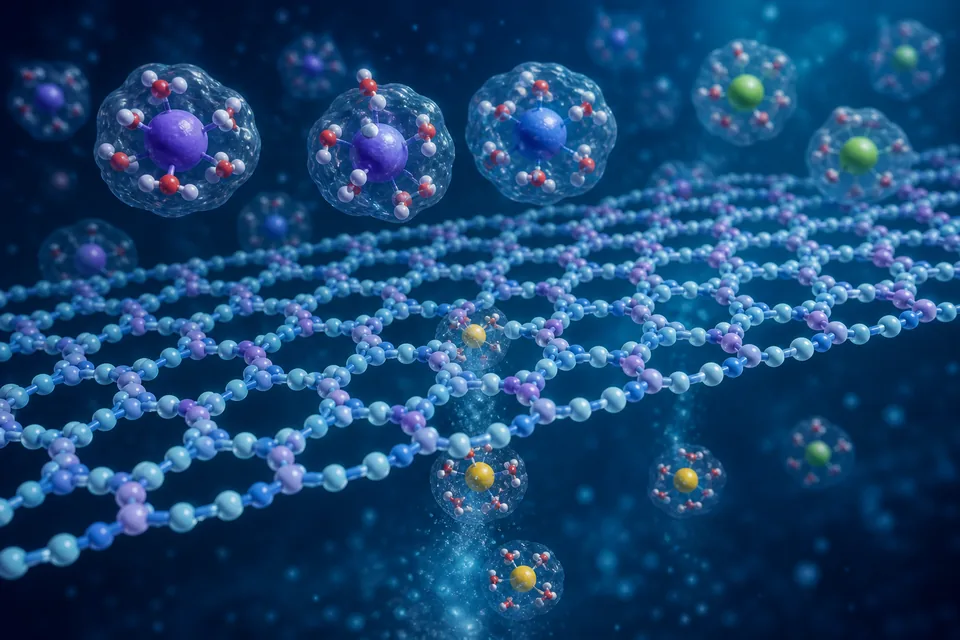
Precisely ordered pores in a covalent organic framework pass Li⁺ more selectively than Na⁺ and K⁺. The decisive factor is not only ion size but how the hydration layer interacts with the pore wall.
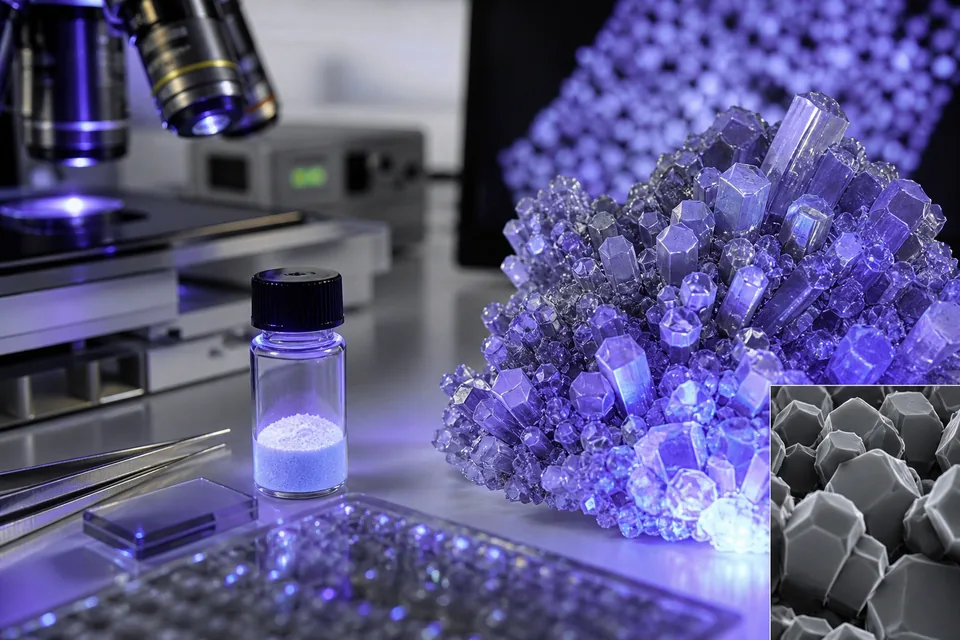
A molten-salt method expands the family of nitride nanomaterials and may matter for printed electronics and durable flexible devices.

NEUDYNE / SCALEA
Council news, everyday life and nearby places to explore. Local context for everyone who calls the town home.
Explore Scalea ↗NEUDYNE / EDITORIAL
We publish original editorial summaries and commentary, not full translations of third-party articles. We always link to the original and credit the author or publisher. Full translations are published only under licence or where expressly permitted.
Every article links to the original work. We distinguish experimental findings, author claims and our own outlook on practical applications.
Read in Czech, English, German or Italian. Discussions are shared across languages.